What stepping back from a full-time career actually looked like, and the three things that made it work: getting clear about what I offer, networking, and finding a champion.
My husband has served for more than thirty years, from the ranks to senior command. Around that service we have built an outside-the-box life, weaving my technology career through decades of postings and moves and keeping it sustainable. The most recent posting took us to NATO’s strategic headquarters in Belgium.
There is a thing you feel as a contractor. Short assignments can send permanent hiring managers a false signal about your value, no matter how senior the work. I have been lucky. For the most part my career has been long stints in serious roles. So before my husband leaves service, I wanted the other experience too. I wanted to actually live the military-spouse life I had always worked around. The plan was to step out of full-time work for three years.
It did not play out that way, and I am glad it did not. What I learnt is that a career break only becomes an opportunity if you treat it like a product problem. Get clear about exactly what you can do for people. Network as though it is the job, because for a while it is. And find a champion who will open a door you cannot open yourself.
On the UK side, meaningful work was surprisingly hard to find. There is a well-worn track for an officer’s spouse, and a lot of it begins and ends with “host a coffee morning”. When the invention ran out, it got literal: I found myself engineering McGyver-style vertical gardens, tomatoes and butternut squash and yellow squash and pumpkins climbing wherever they could find purchase.
So I stopped waiting to be invited. My first real foothold was the SHAPE International Women’s Club. I joined, then joined the board, and helped more than 250 women, from NATO nations, partnership countries, and the National Military Representatives spouses, build exchanges of culture, service and friendship through events and programmes across the year. I brought my ordinary toolkit to it: value-proposition design, complex problem-solving, planning, facilitation with tools like Kahoot!, presentations, and public speaking. It was the first place the penny dropped. My professional skills were an asset here, not something to pack away for three years.
Once I was clear about what I offered, the engagements followed. On the commercial side, the sharpest was an unbudgeted advisory role to a CPO and CTO re-imagining their flagship product around a new AI assistant. I facilitated deep problem-solving inside their product groups, challenged assumptions, and helped the function sit with an uncomfortable truth. Their own product often did not feature in the customer’s actual workflow. Then I rebuilt their product-skills enablement around my technique library, with a custom GPT I built, rubrics and all, that learners used live in the room to produce real product artefacts rather than slideware. It became the most-used GPT in the entire enterprise suite.
The work I am proudest of was for a UK Armed Forces charity. They were about to deploy something that, from a user-centricity standpoint, would have gone badly wrong. I redesigned the user journeys, built accessibility in from the start, and put AI at the heart of helping bereaved military families navigate three brutal things at once: their entitlements, their grief, and the hard practical business of transitioning themselves and their children out of armed-forces life. Same craft as the commercial work. Immeasurably higher stakes.
None of the volunteering amounts to much without someone willing to open a door. Mine was the Public Affairs Officer at U.S. Army Garrison Benelux, who took a chance on a volunteer with an unusual CV and gave me room to genuinely contribute.
We had also landed in a remarkable season of anniversaries: the 80th of Arnhem, the Army’s 250th and America’s 250th, the 25th of 9/11, and NATO’s own milestone still to come. It gave the work real weight. I developed the strategies and initiatives that connect and engage military and host-nation stakeholders across Belgium, the Netherlands, and Luxembourg, and I built the strategic frameworks, marketing and digital assets behind the commemorations. I even got to draw again. Original illustrations, polished in Adobe Creative Cloud, ran through the social media campaigns. Then I covered it all for the .mil website, the social channels, and in-person events.
A garrison is a service organisation. It has users, journeys, and a trust problem to solve, just in a different uniform.
User-centricity does not care whether the user is a shopper or a soldier’s spouse newly arrived in a country they cannot yet navigate.
These ran on the U.S. Army’s national site, army.mil, not just the local garrison page, and one was picked up by higher headquarters for the command-wide IMCOM News Sampler. Each carries the byline the Army gave it.

How the garrison used a data-driven approach to validate and better meet its community’s needs, and forecast a reduction of up to $39M over eight years.

A profile. What began as a temporary clerical role grew into a career of remarkable breadth, from typewriters to cybersecurity.
Read on army.mil →
Coverage of the Brussels community Town Hall, held at NATO headquarters on 18 September 2025. The practical brief for families finding their feet.
Read on army.mil →The garrison’s day-to-day community updates and event coverage, which I help plan and produce.
Visit the page →
Government stories usually run under an office, not a person. These run under my name, “By Elle Anderson, USAG Benelux Public Affairs volunteer”, so this page is simply the named, gathered home for work the Army has already credited to me.
A few of the events and campaigns I helped bring to life.
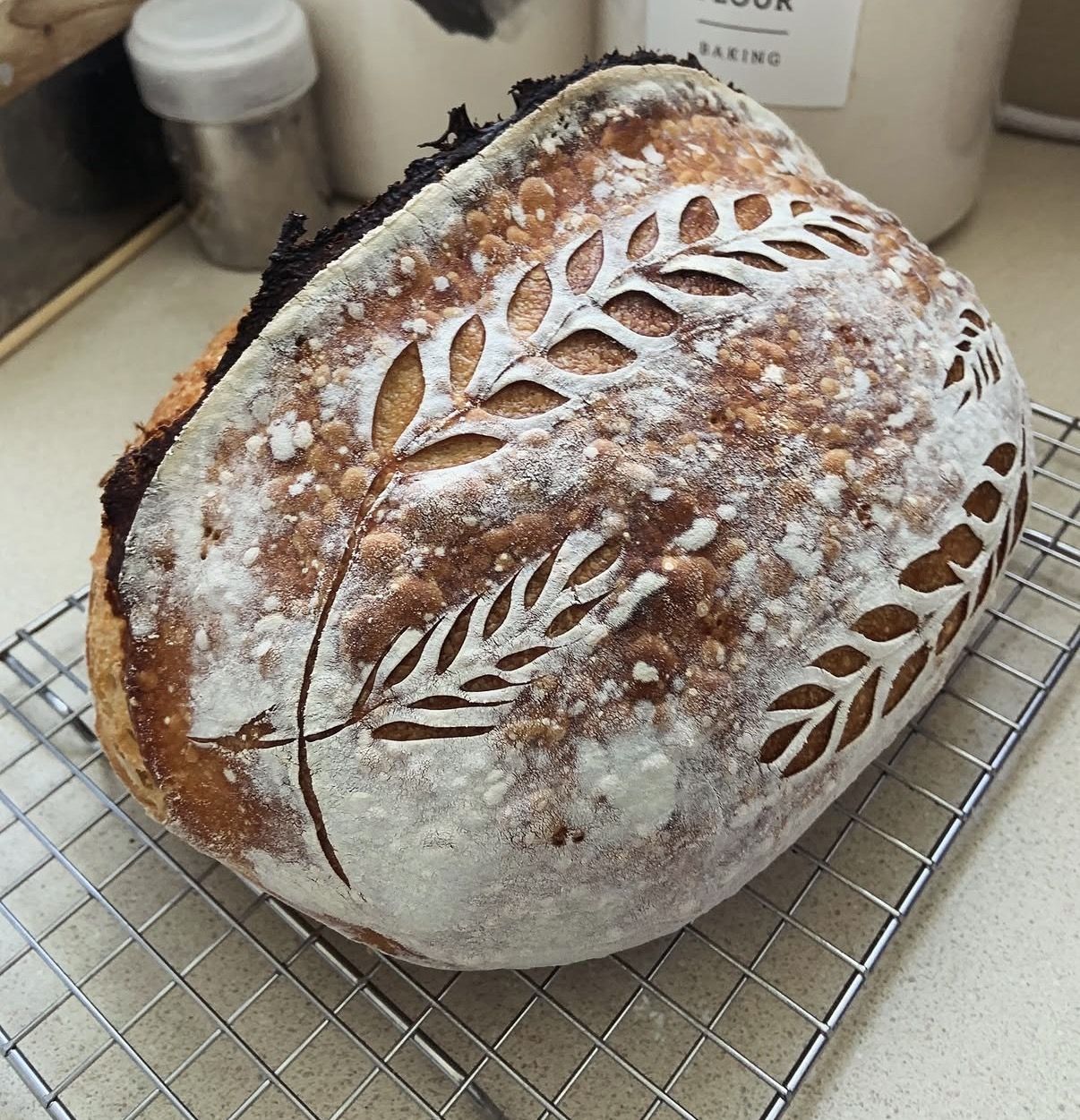
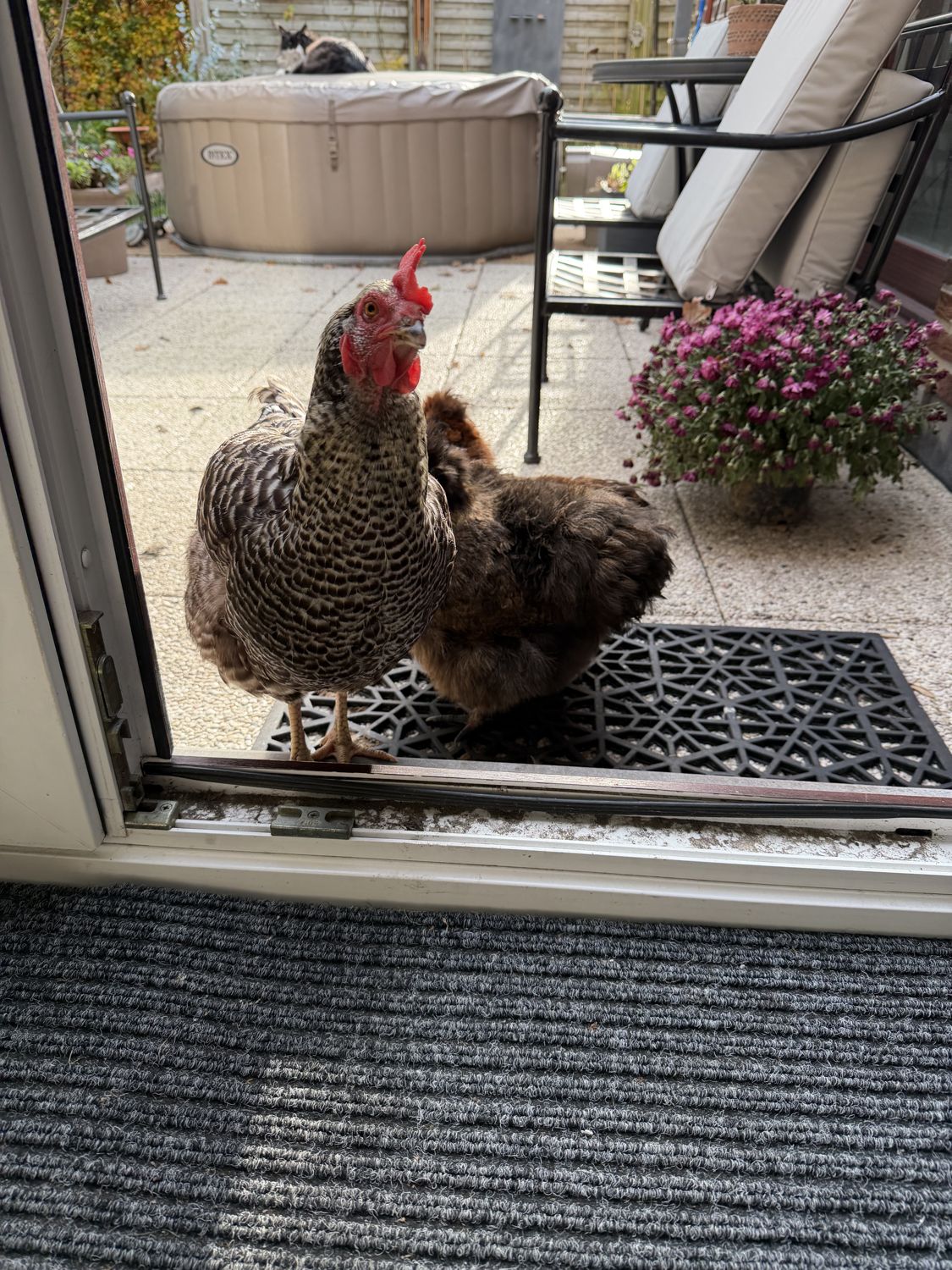
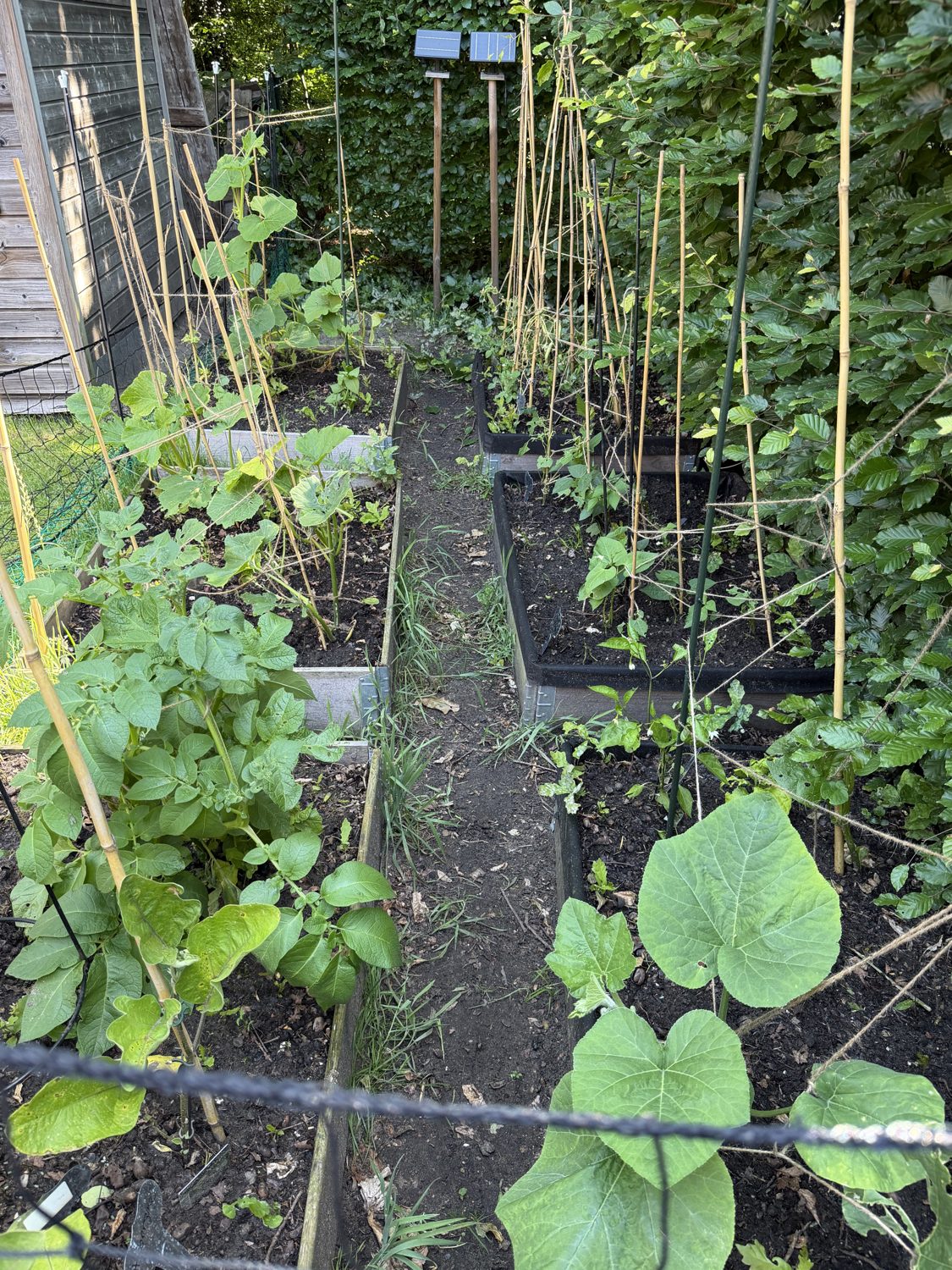
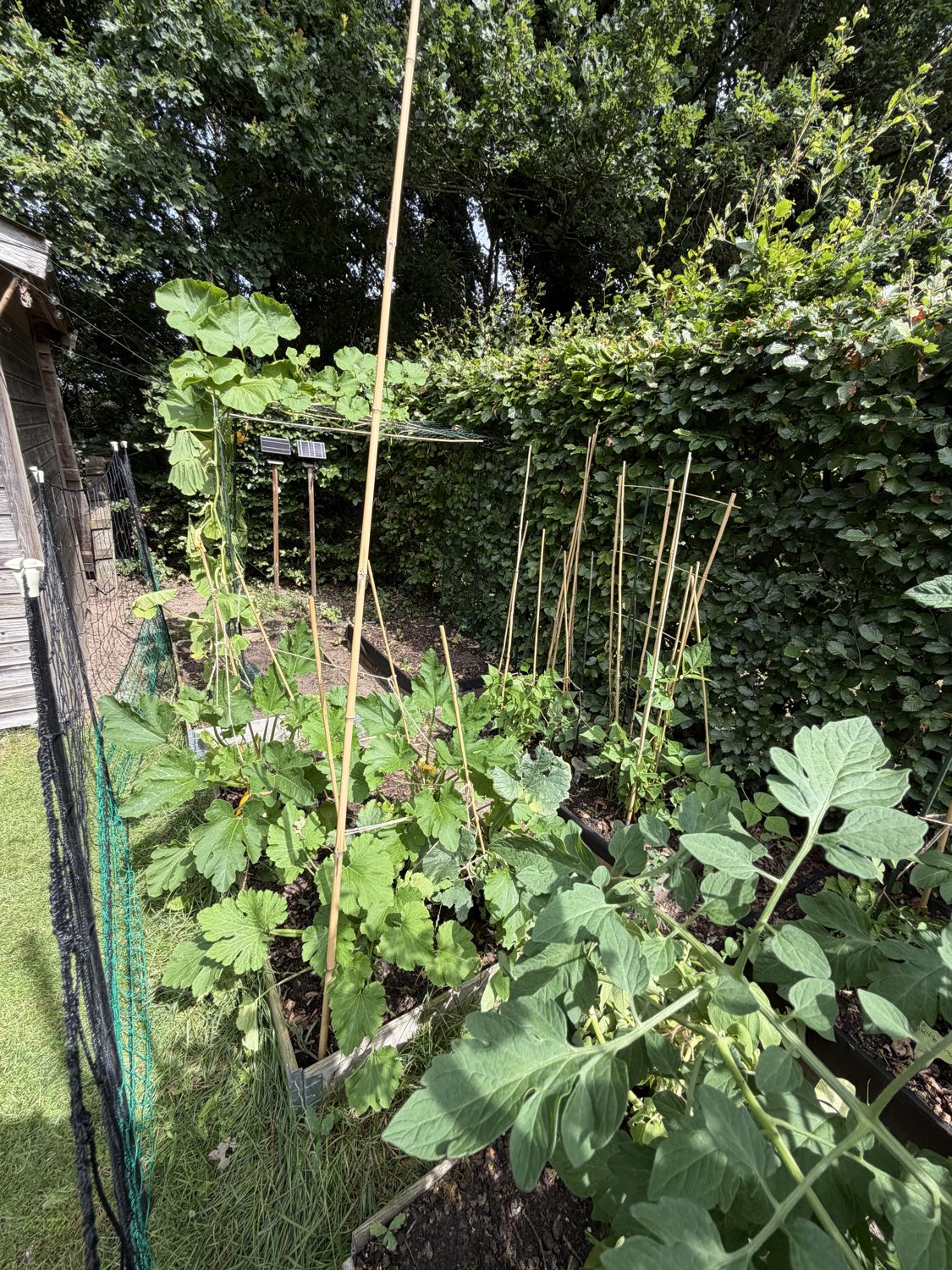
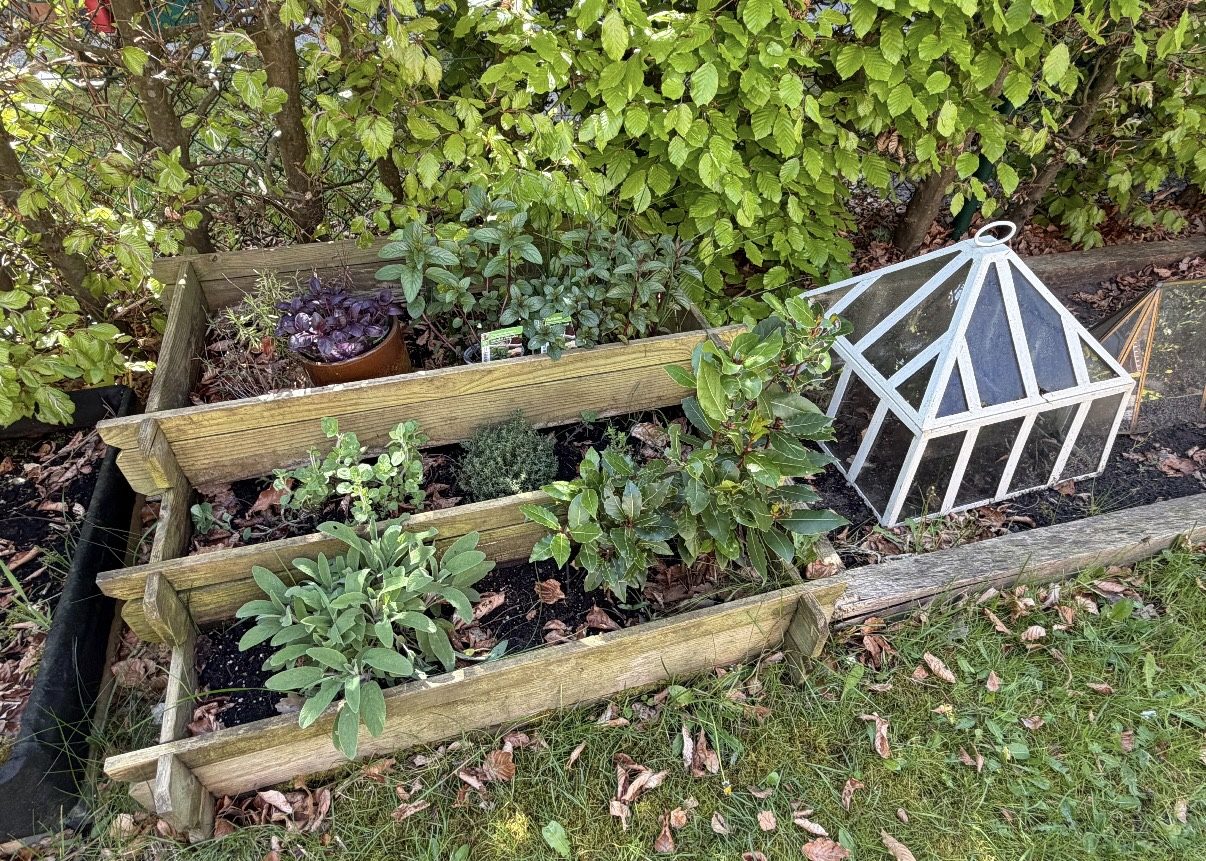
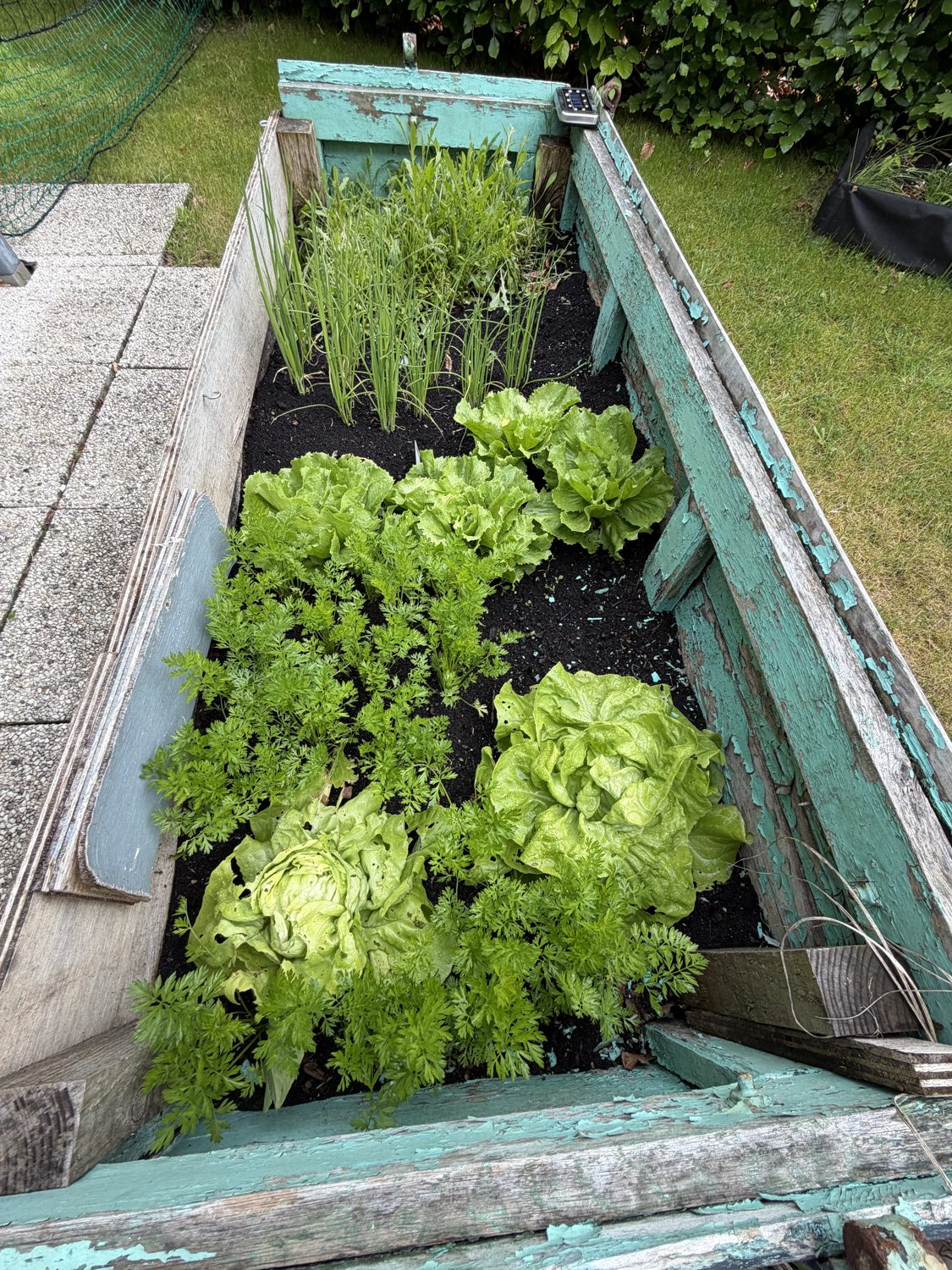
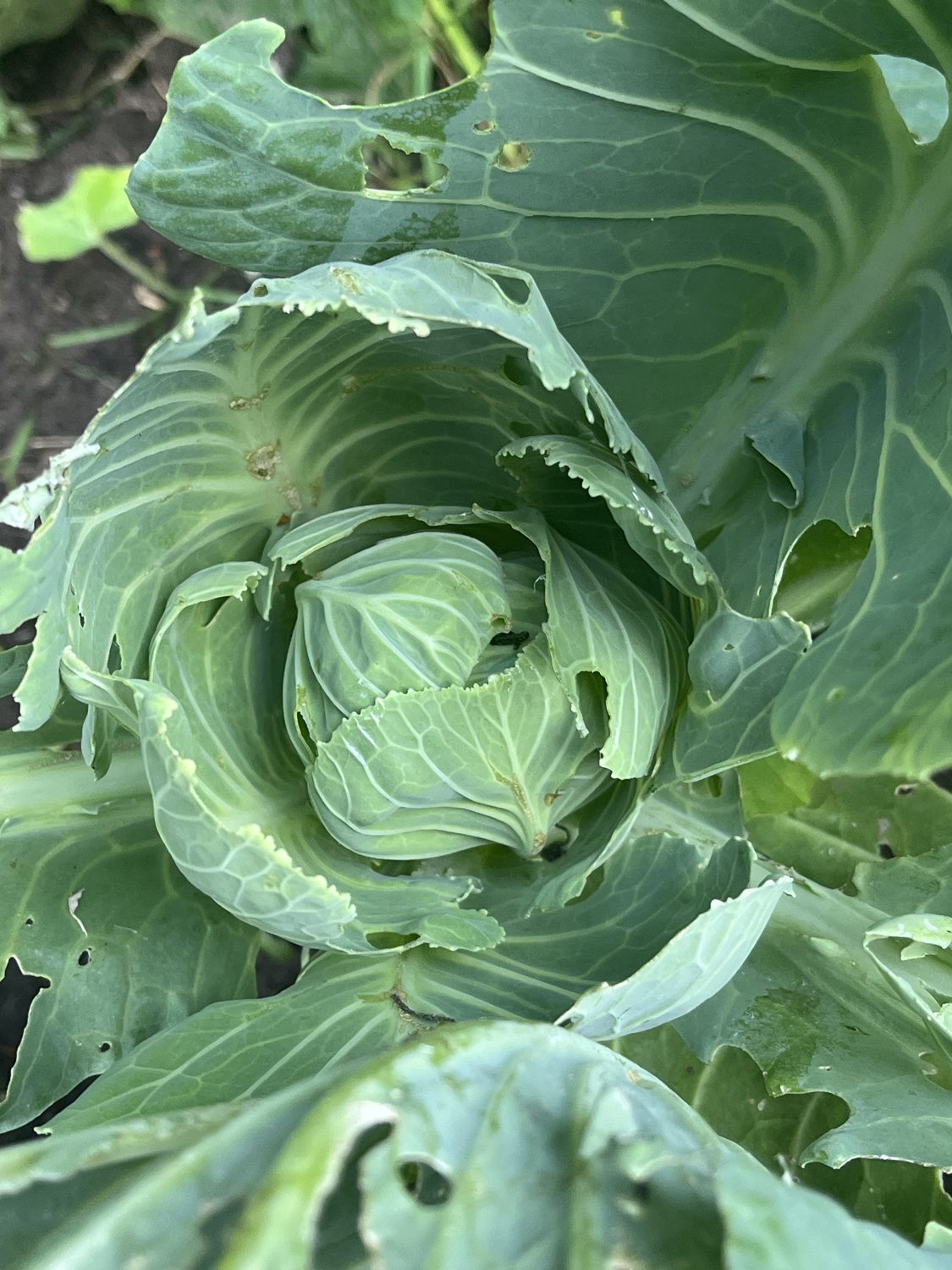

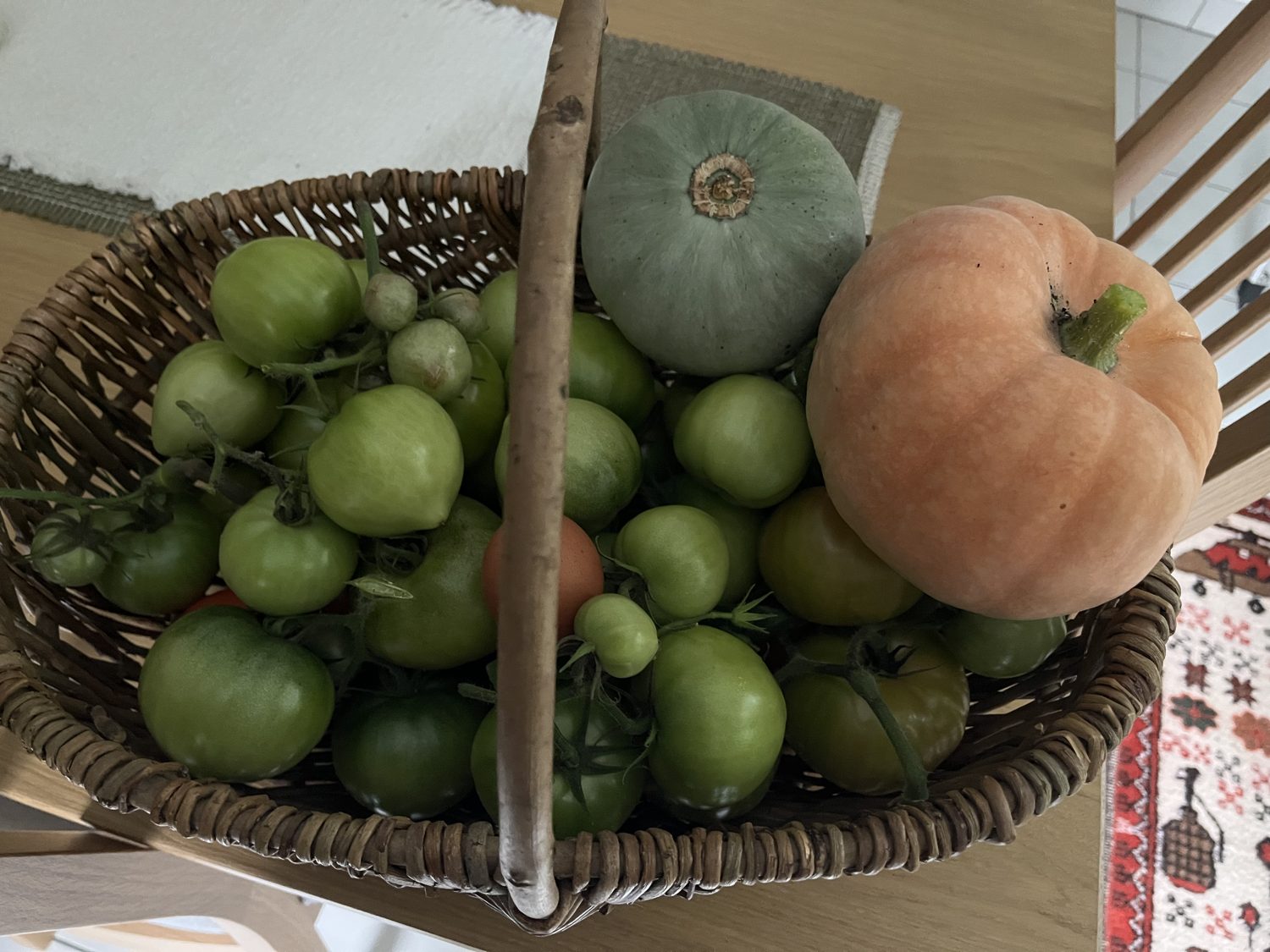
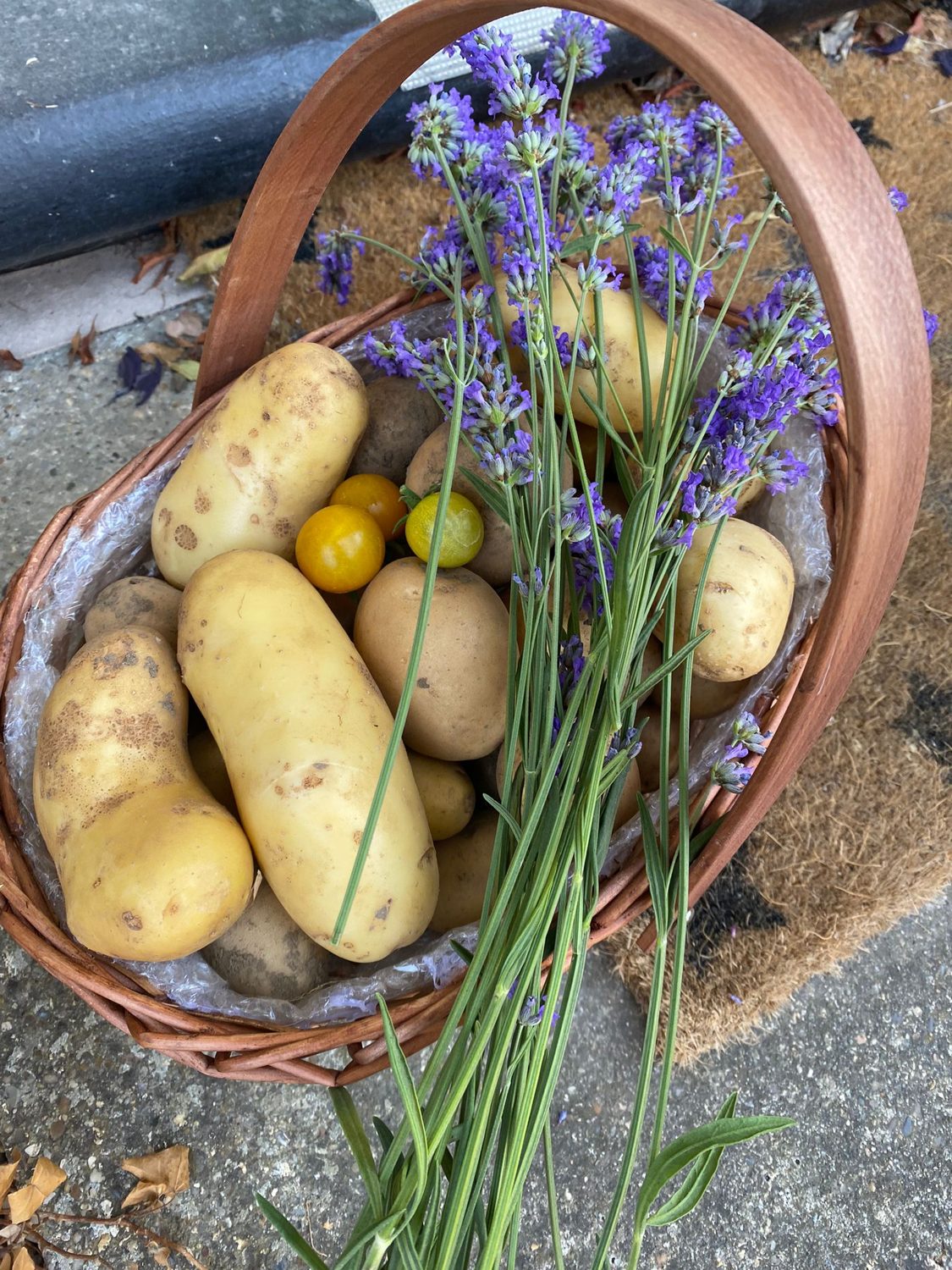
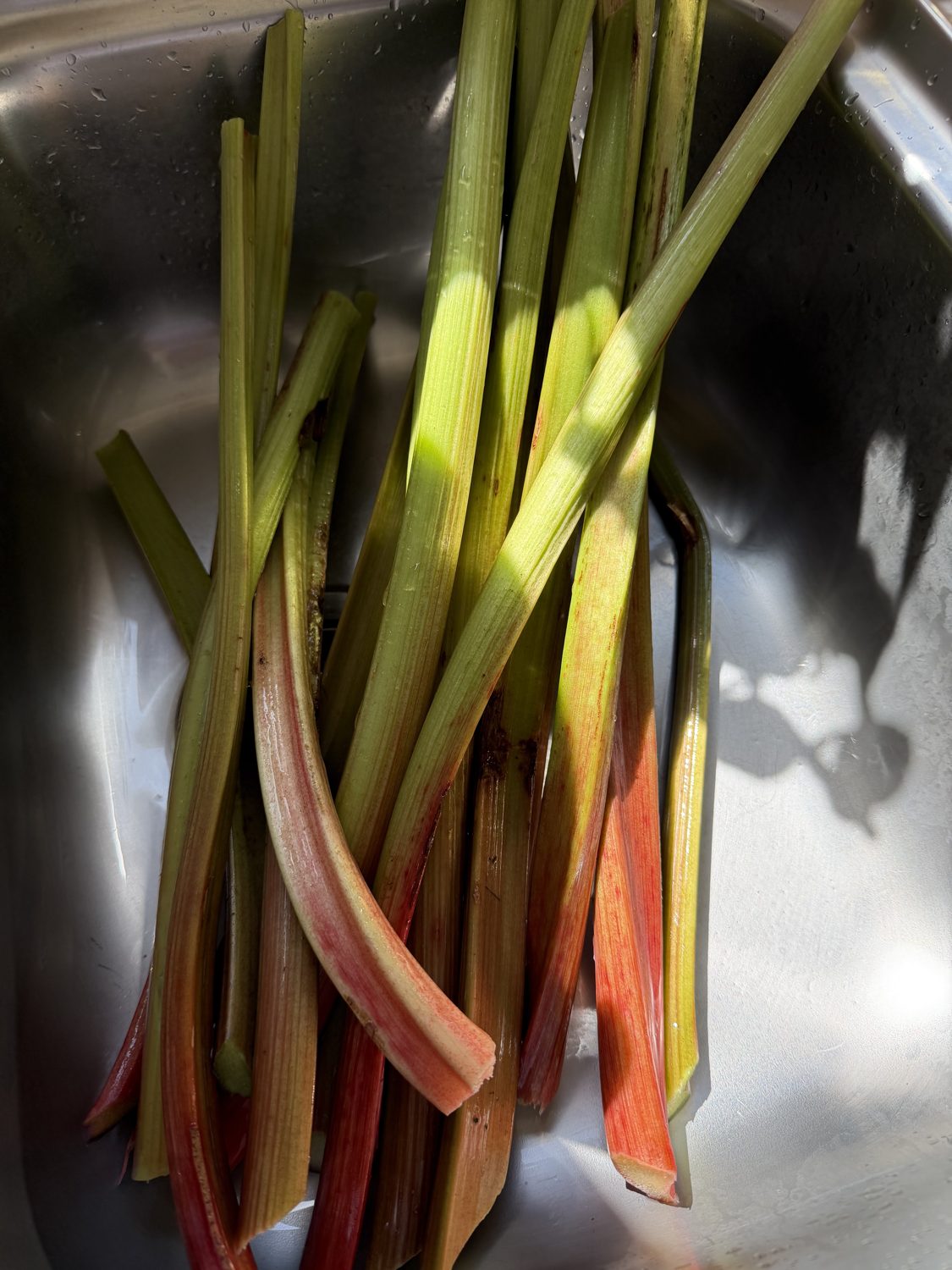
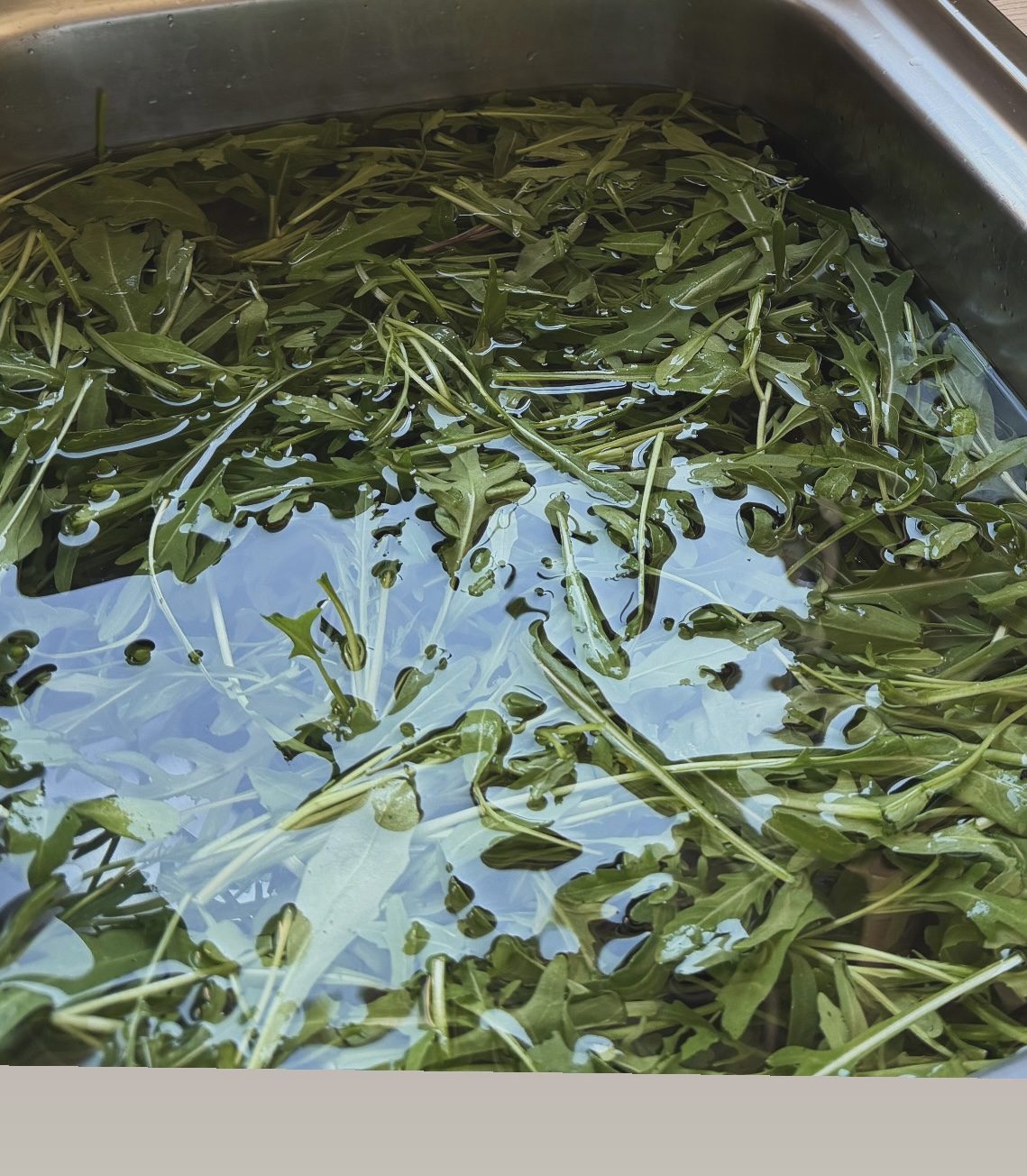
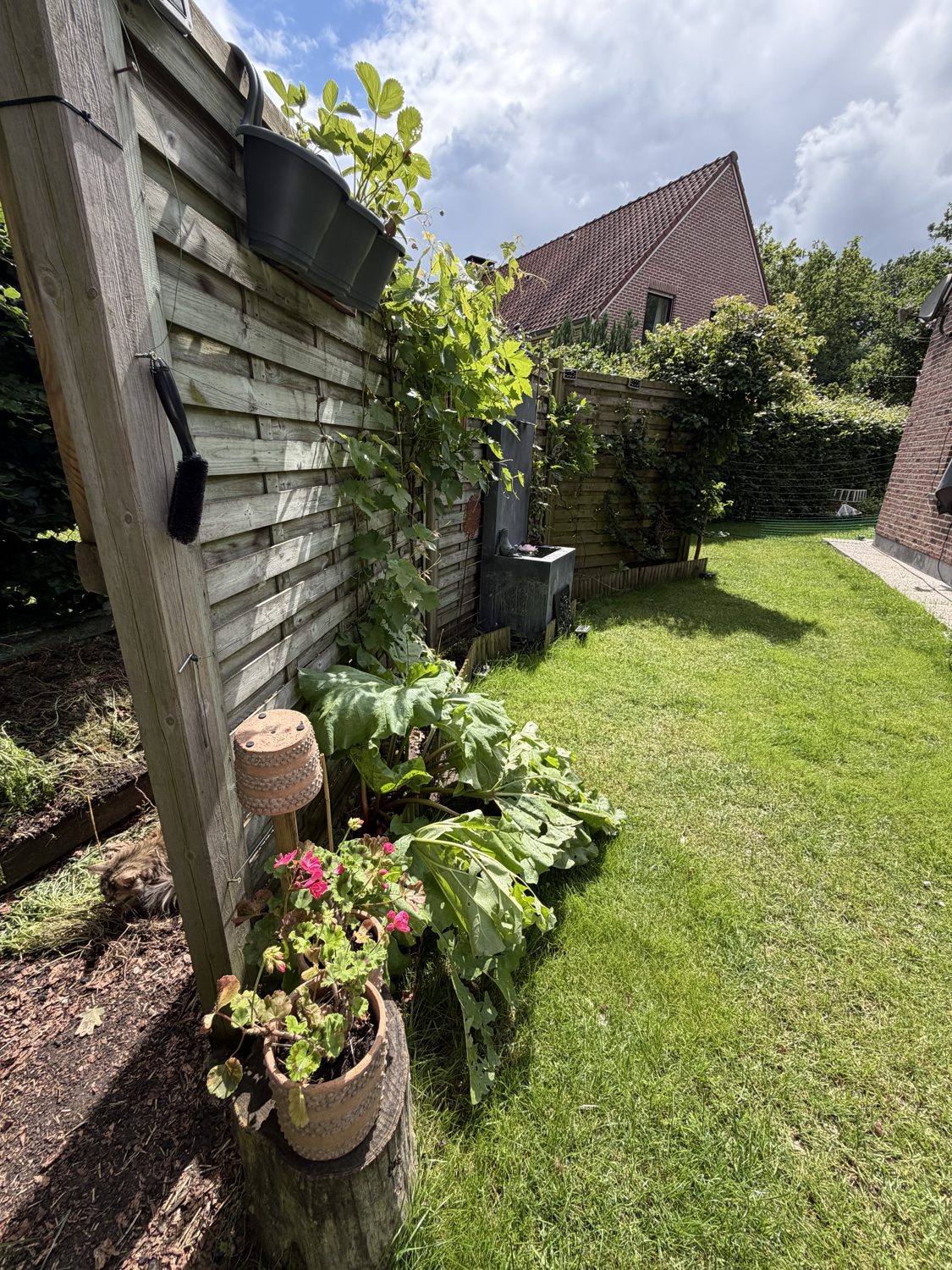
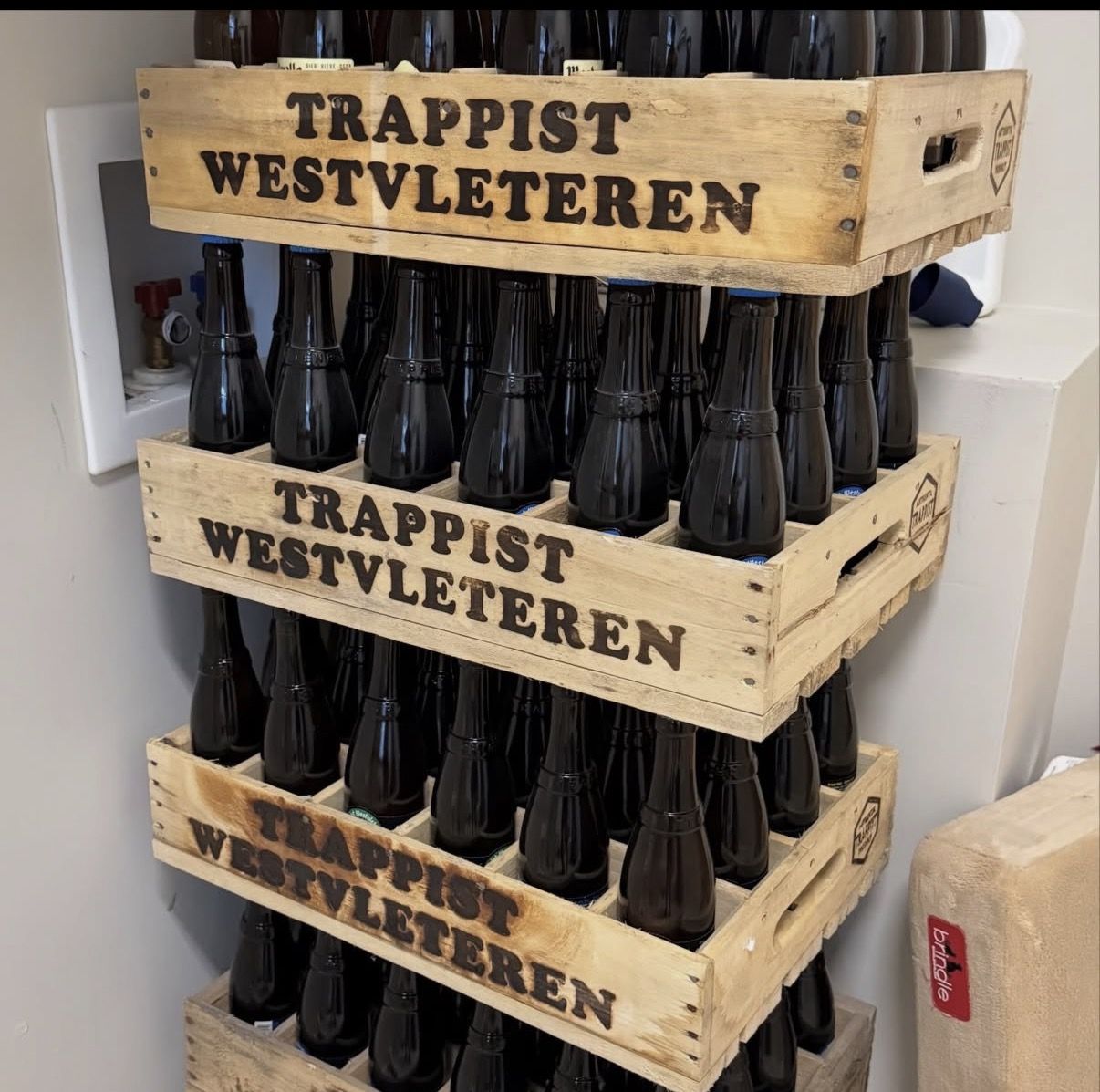
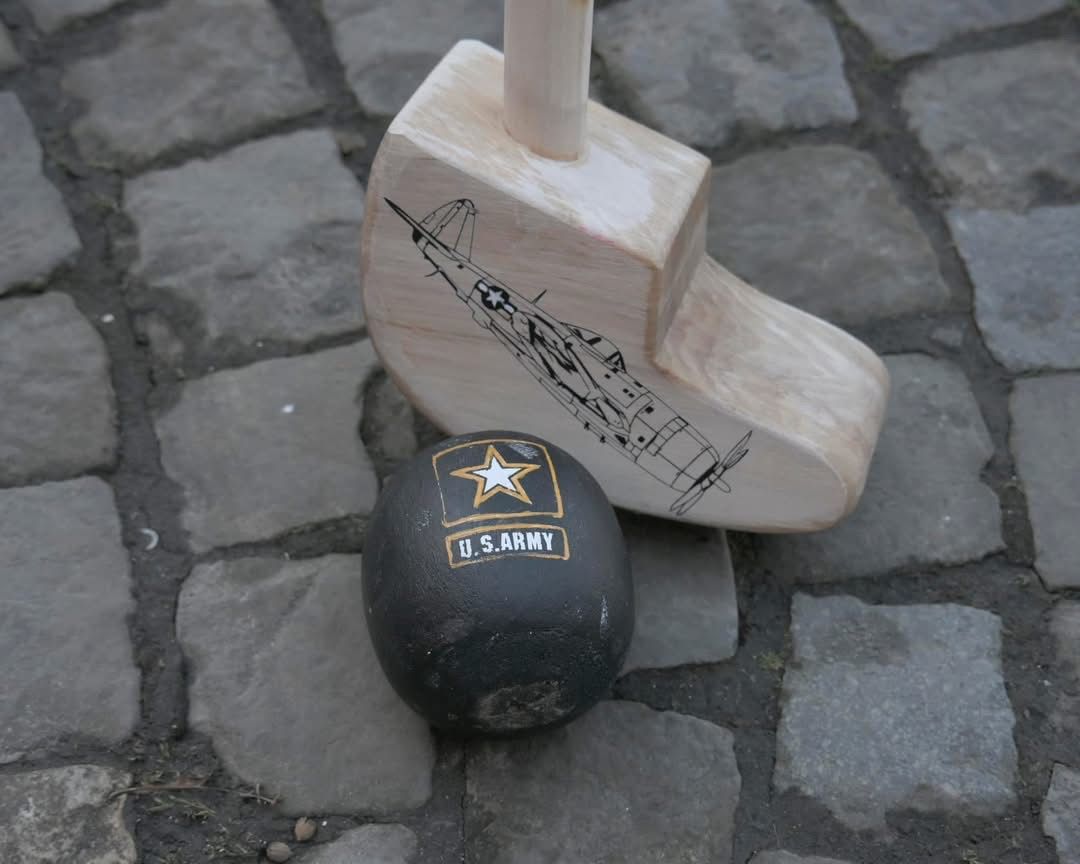
True human growth. I raised chickens, learnt to make sourdough and crackers, grew a veg patch, lost a shed of weight and got properly healthy, and learnt to play mahjong. I also learnt how to people on a personal level, which is a very different thing from doing it professionally.
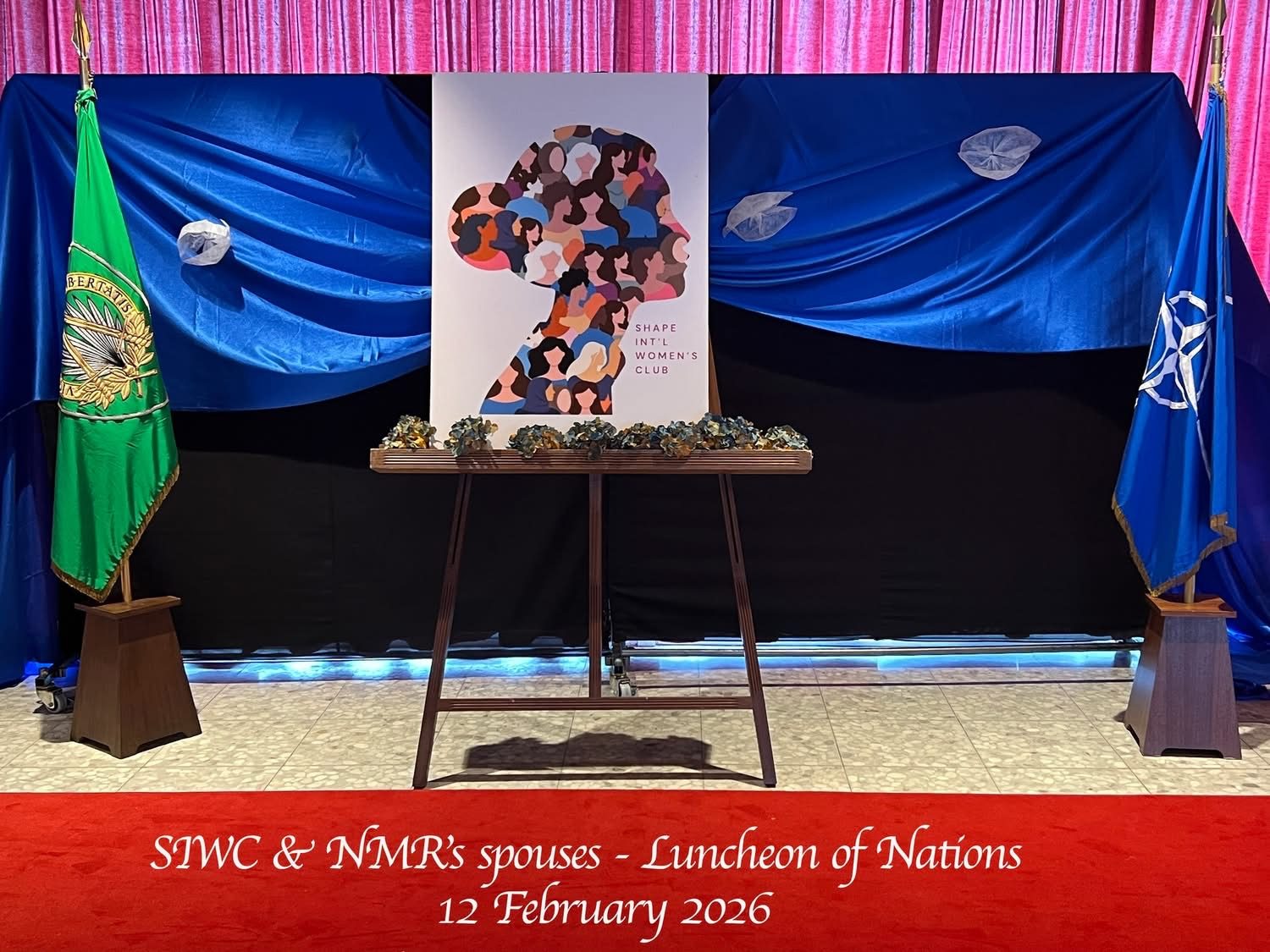
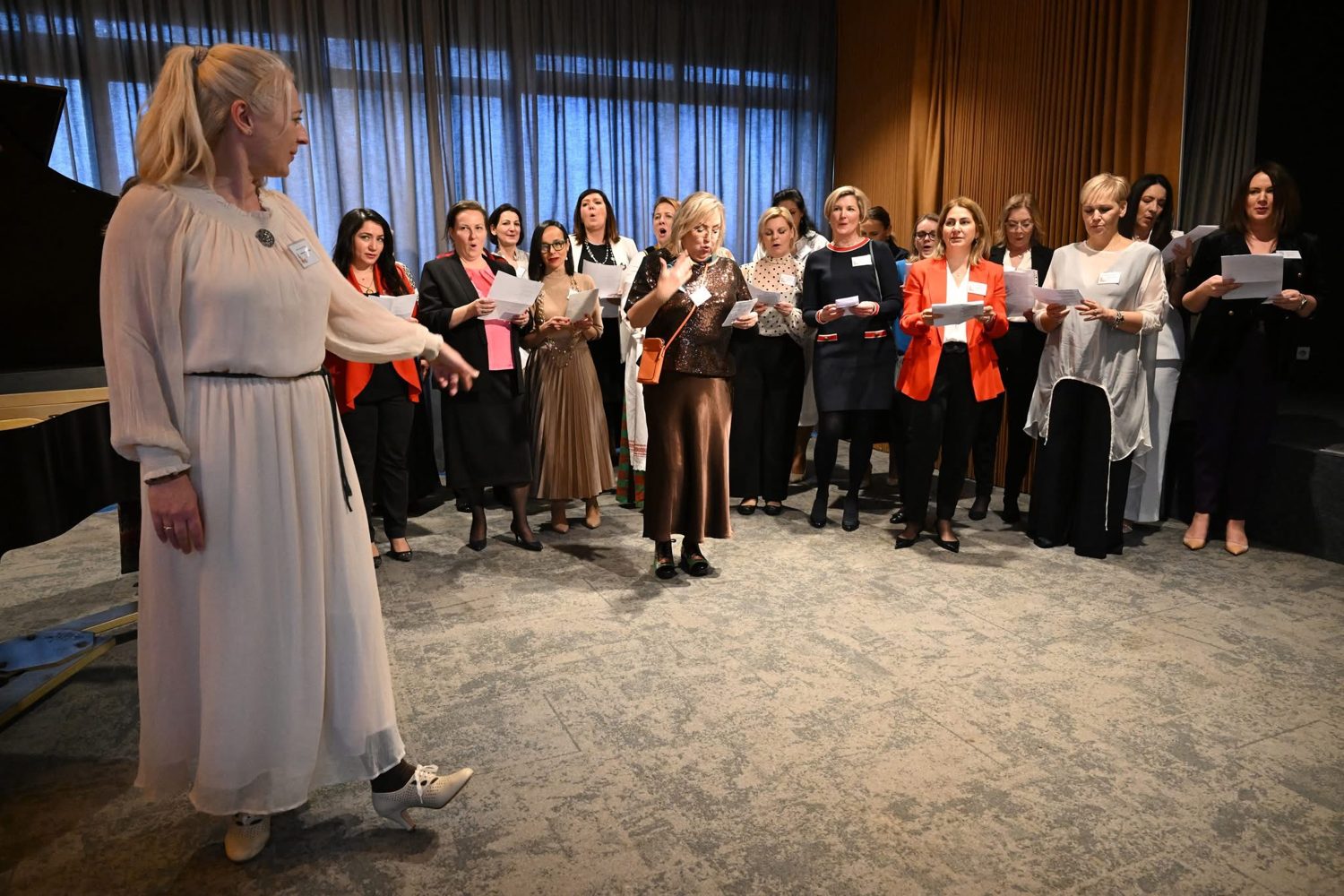
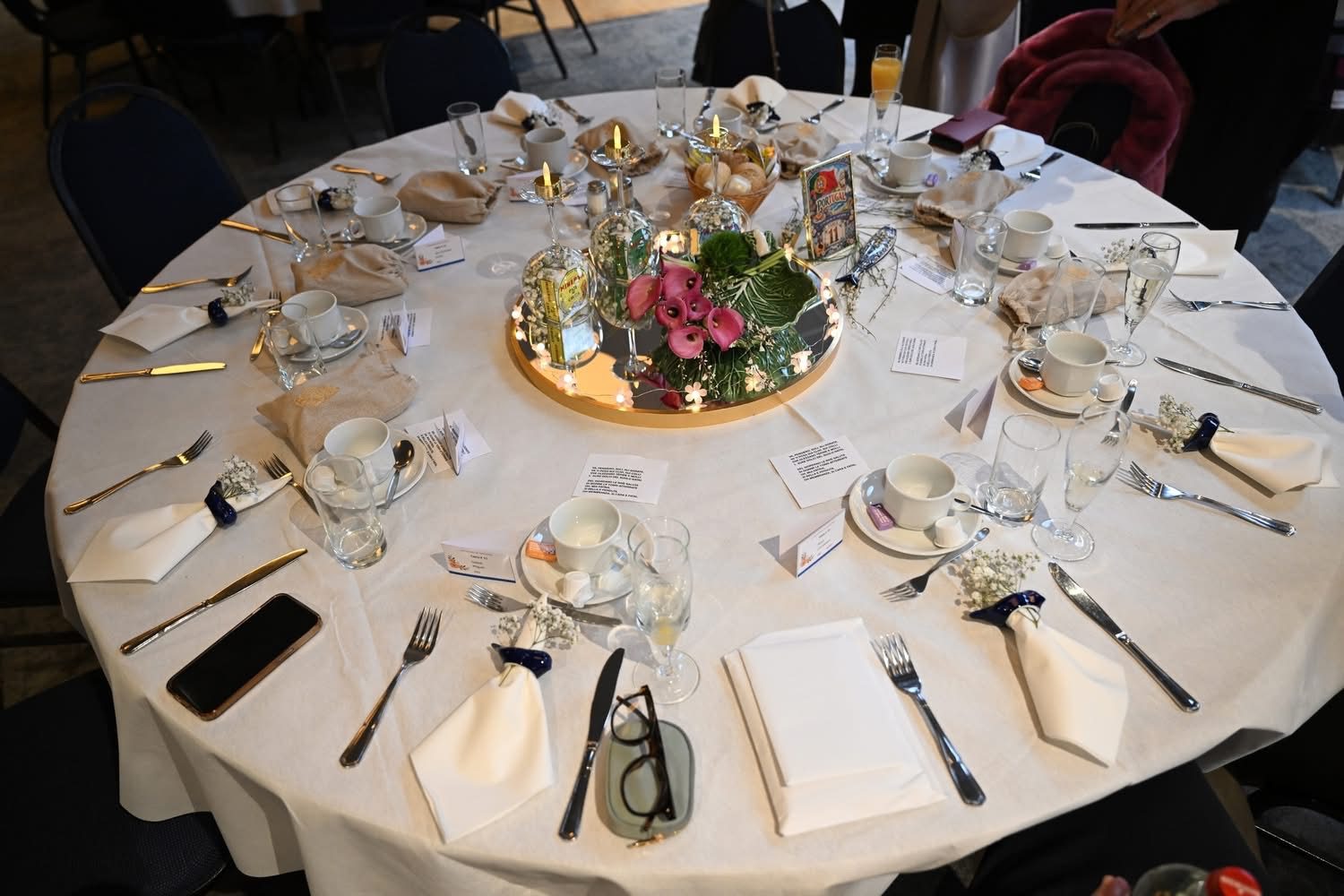
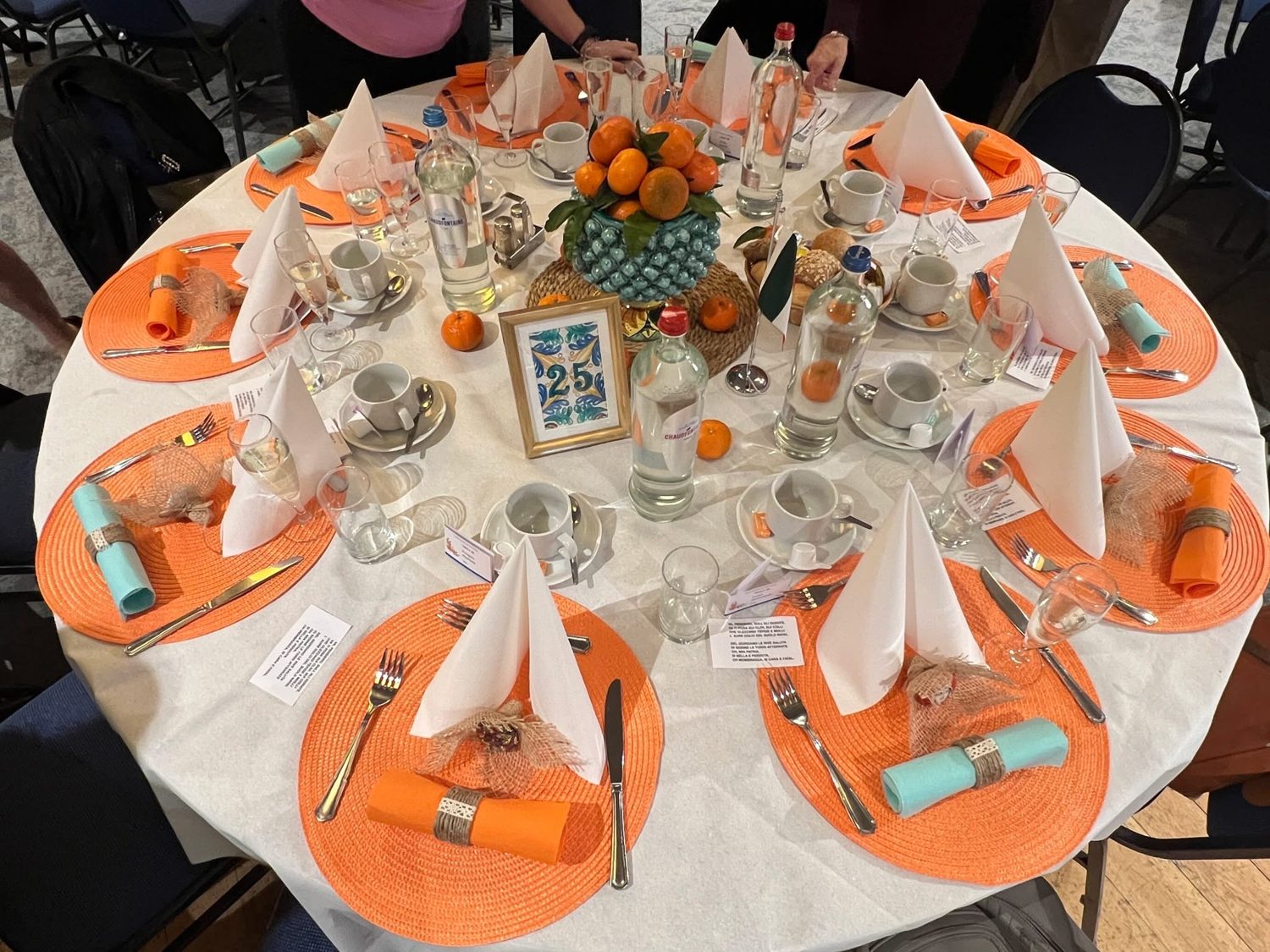
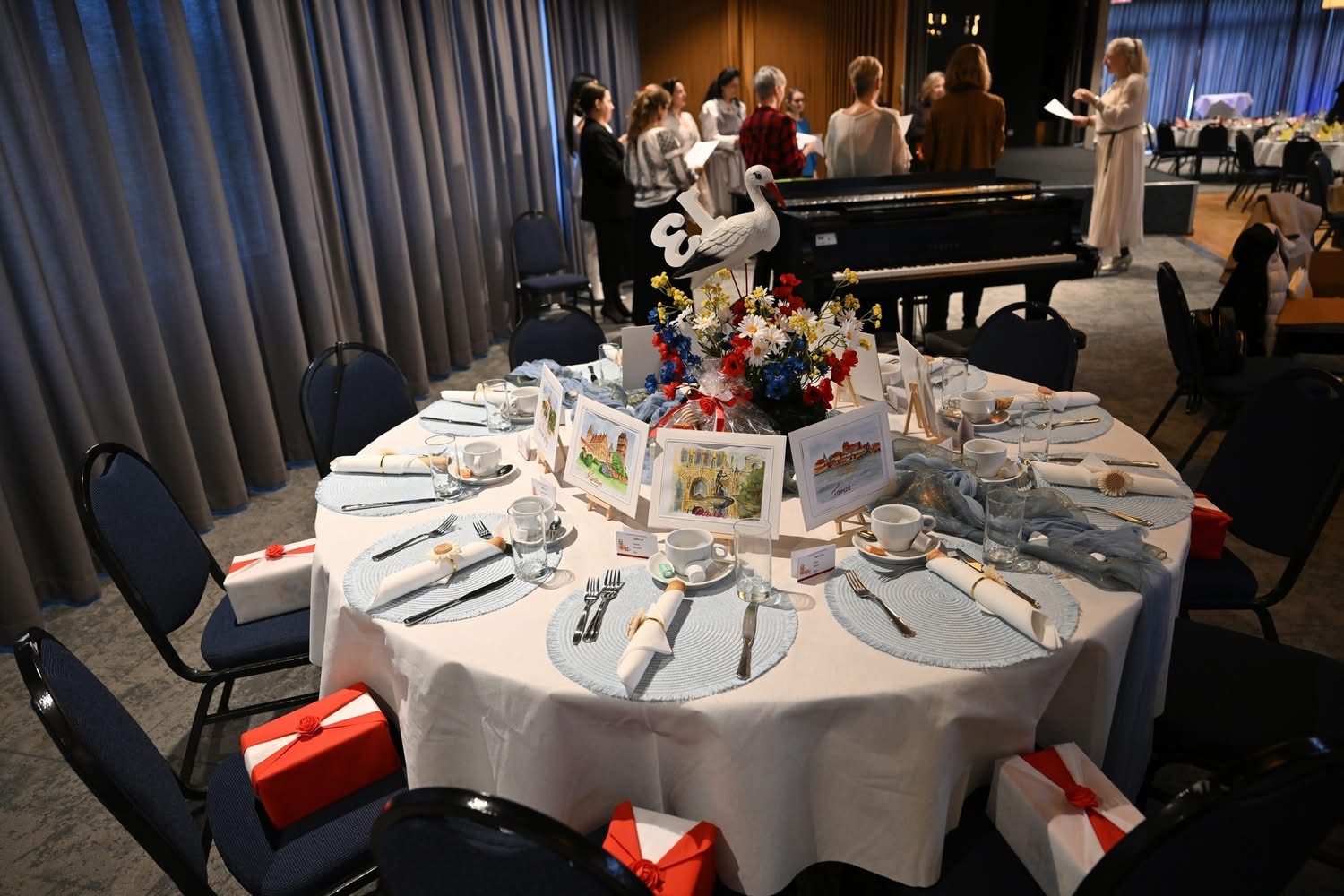
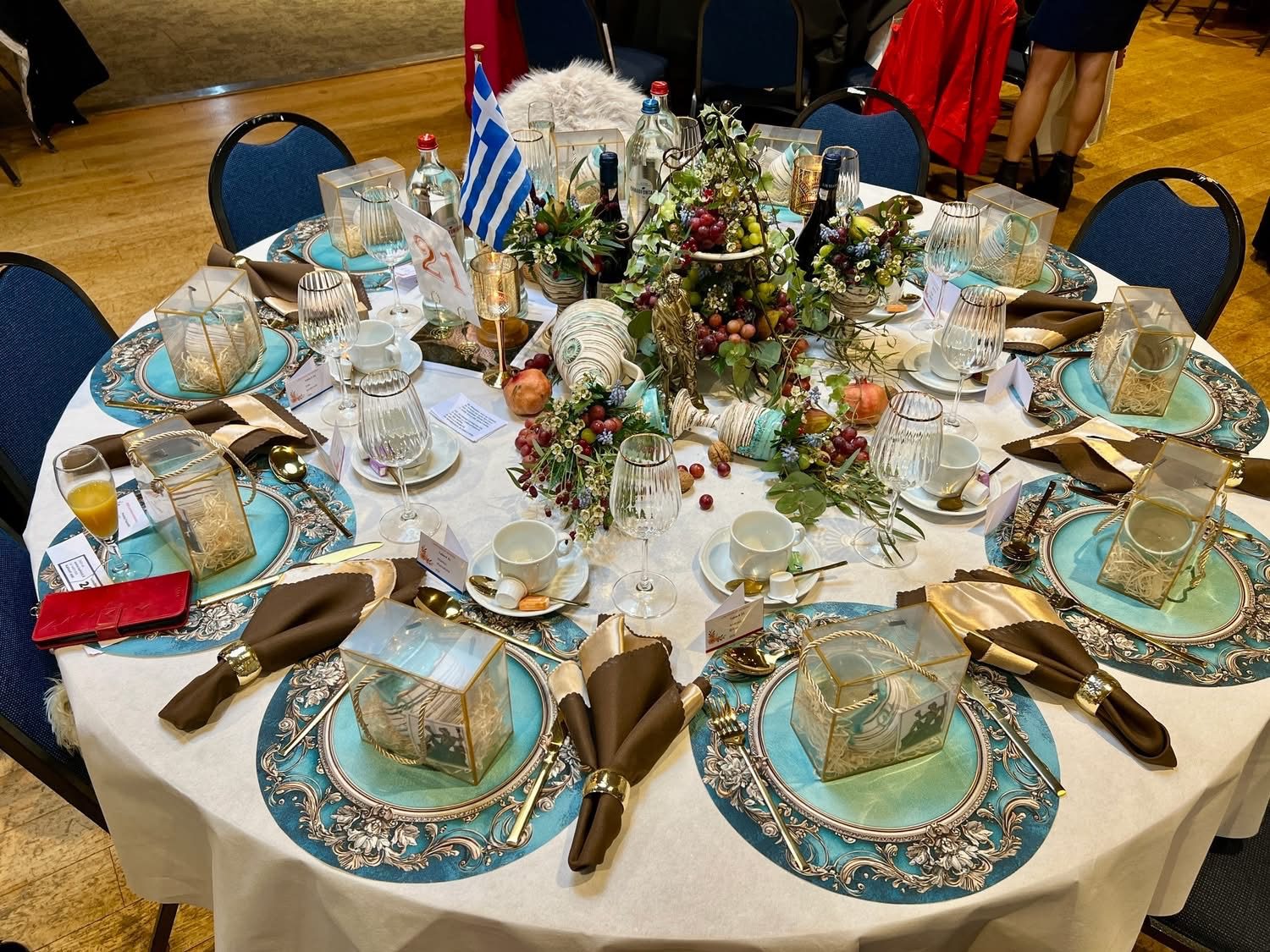
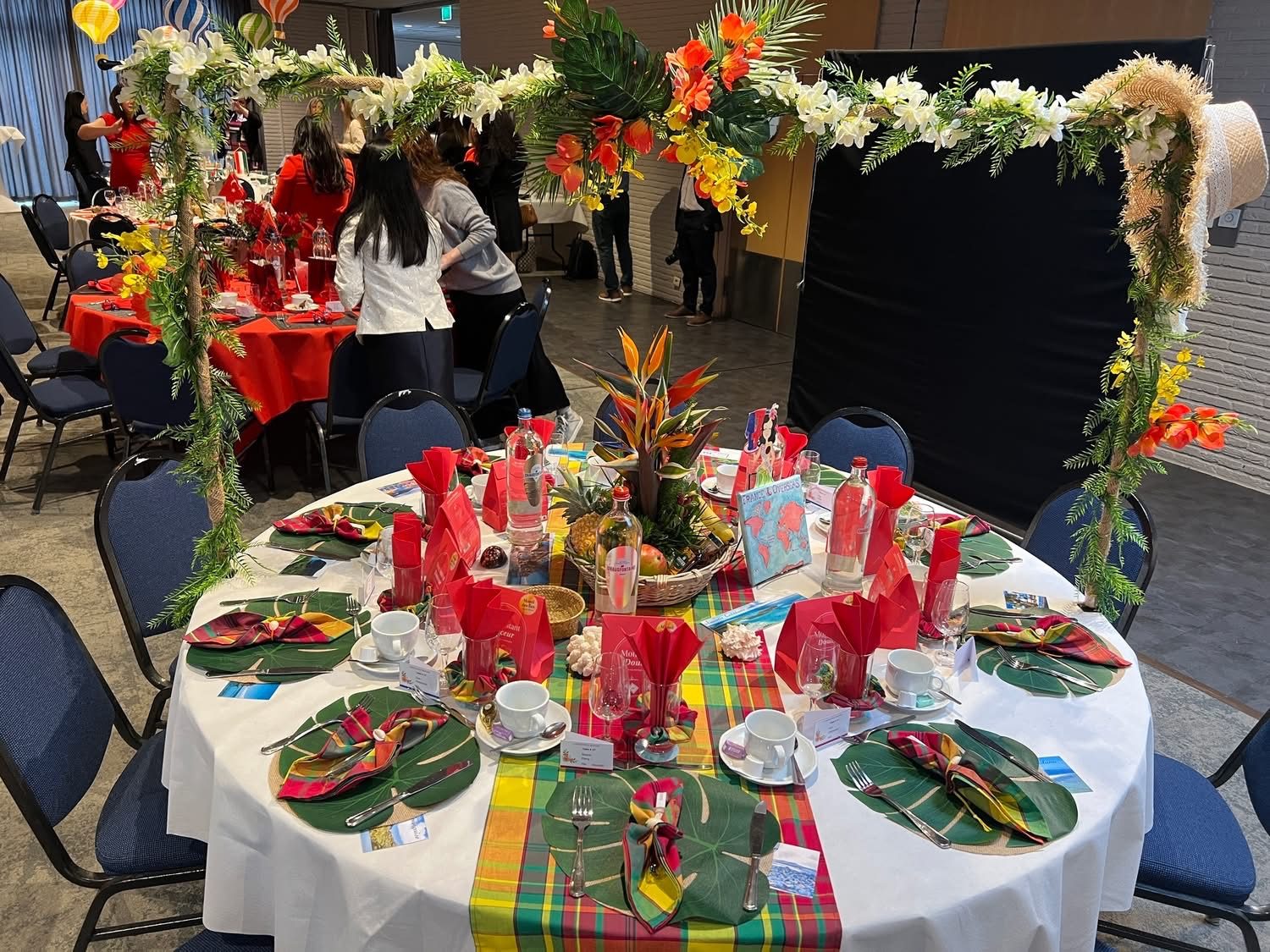
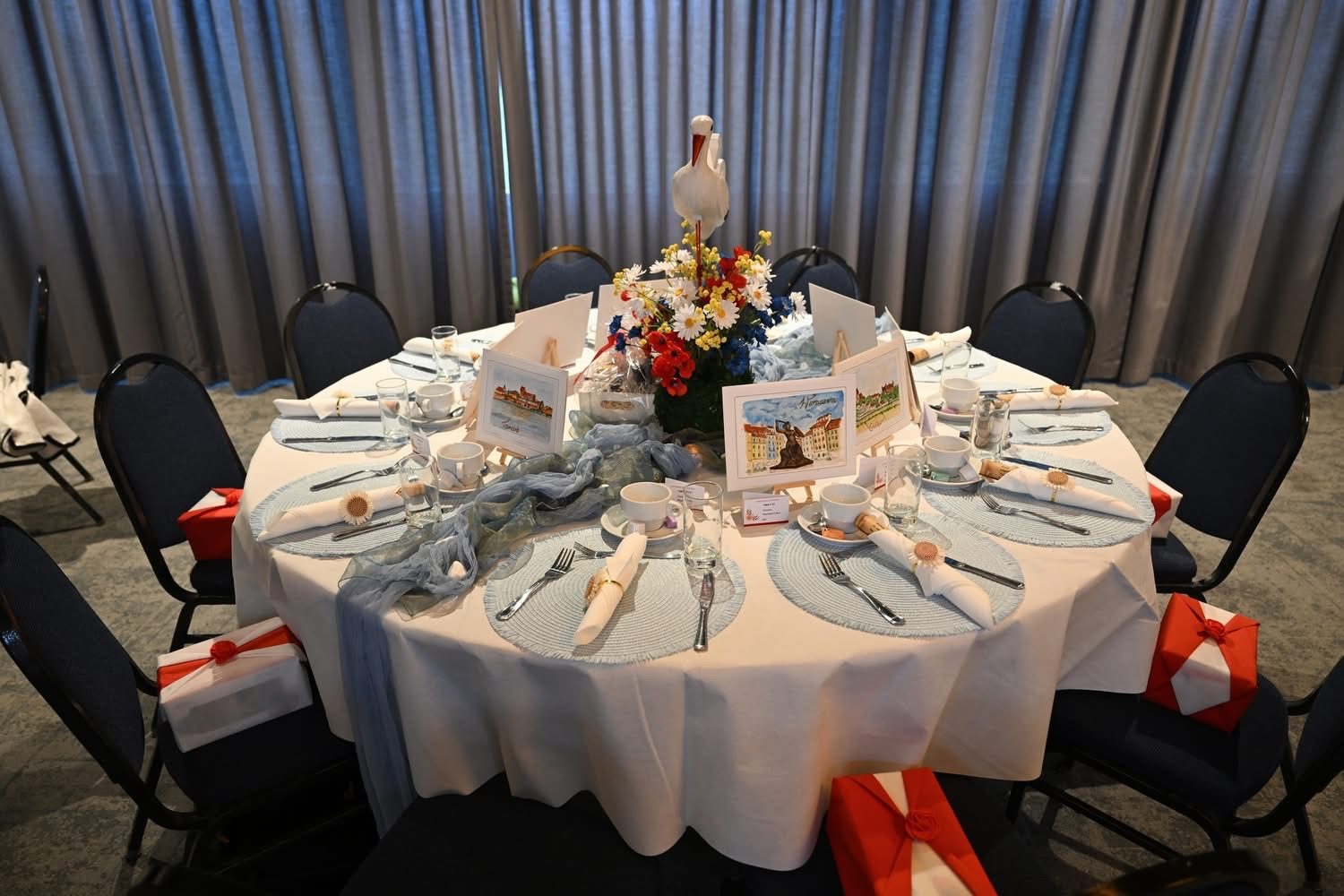
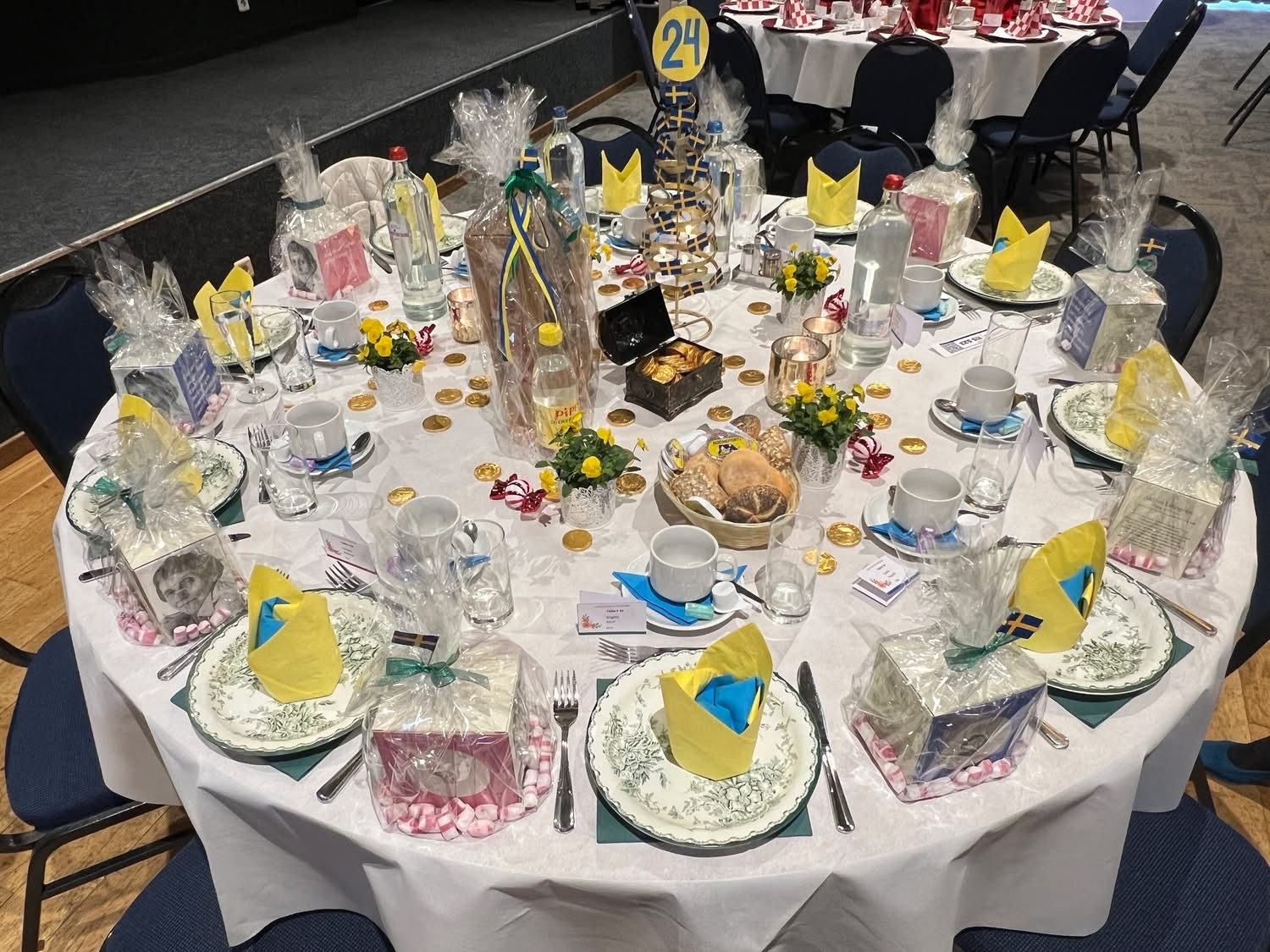
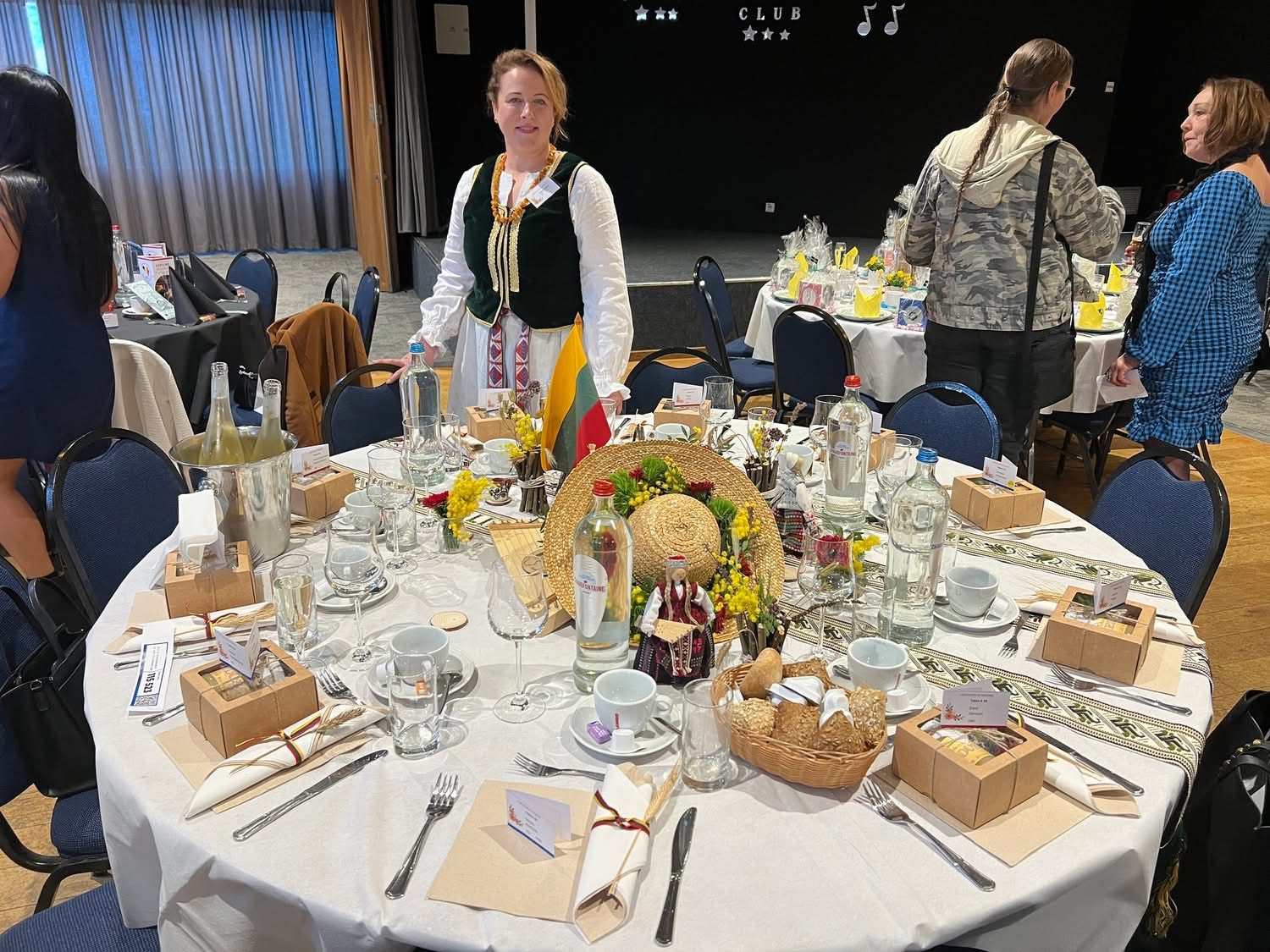
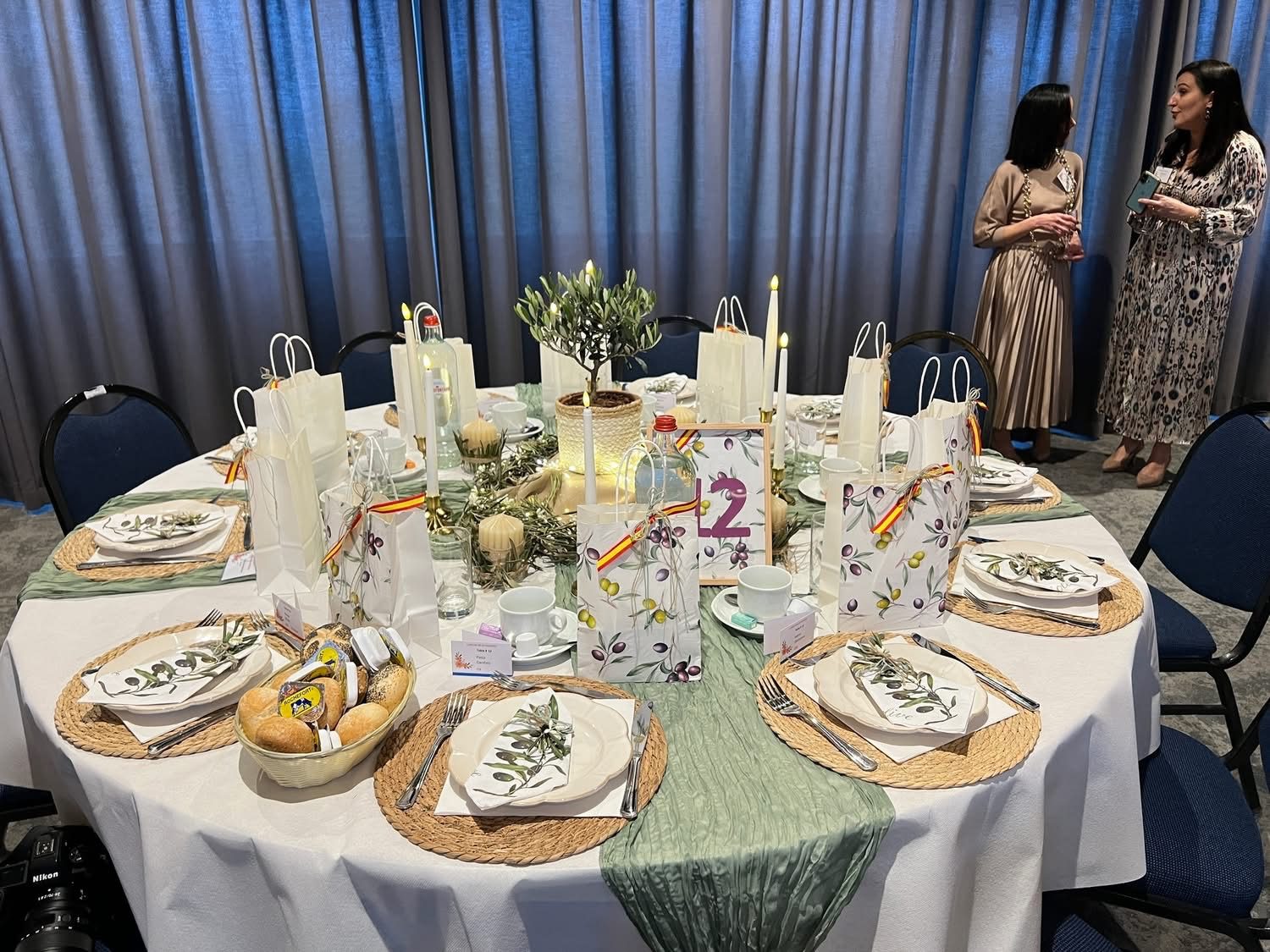
SIWC and the NMR Spouses’ Luncheon of Nations. One of my favourite traditions, and one I get to be part of every year. This year, 28 nations hosted tables and 270 women attended. There is something rare in women from across the NATO world coming together, once a year, in that much friendship and sisterhood. The treat this time was a professional opera singer who taught us to sing, and then sang for us. I had the honour of a seat at the Lithuanian table. What a day.
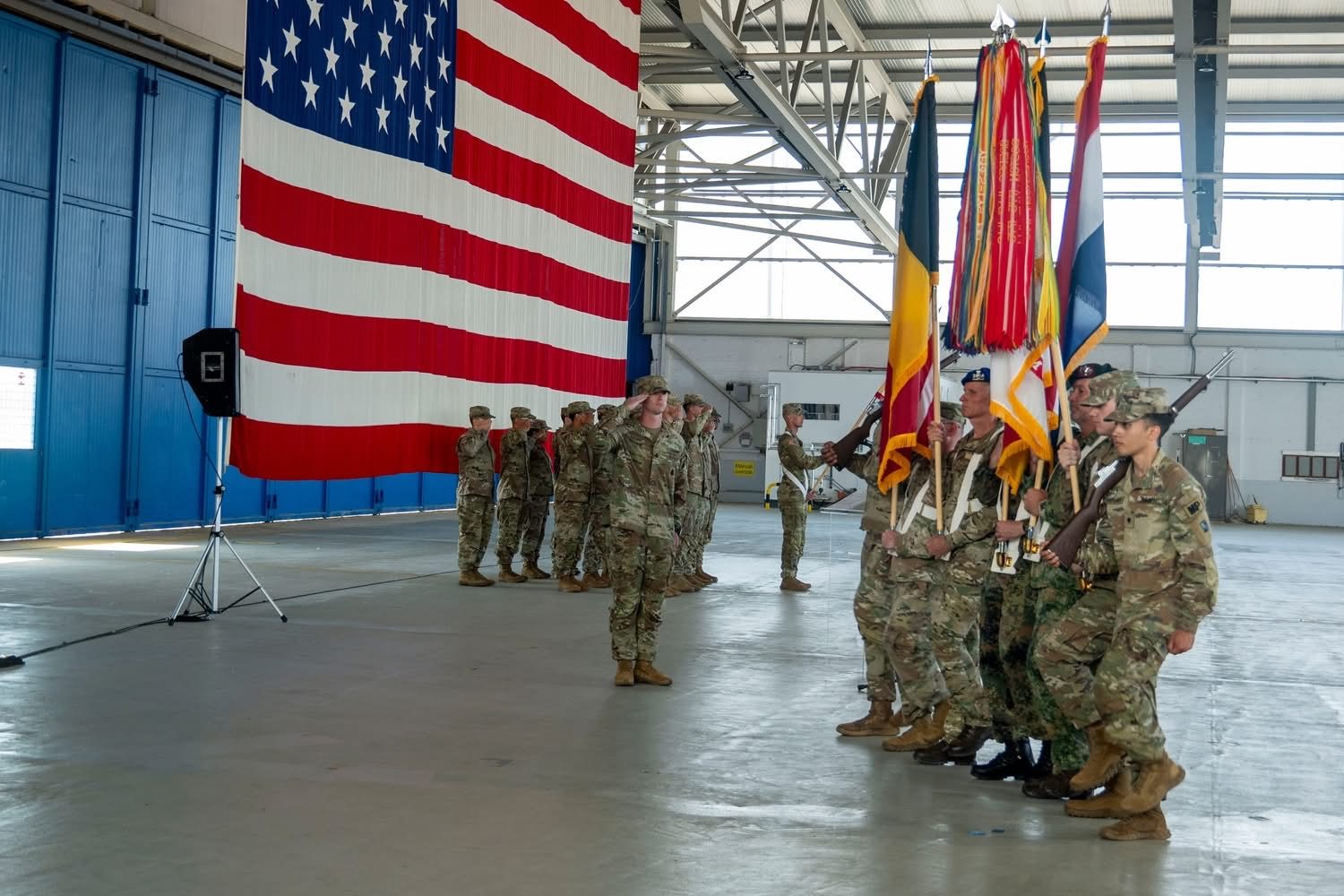
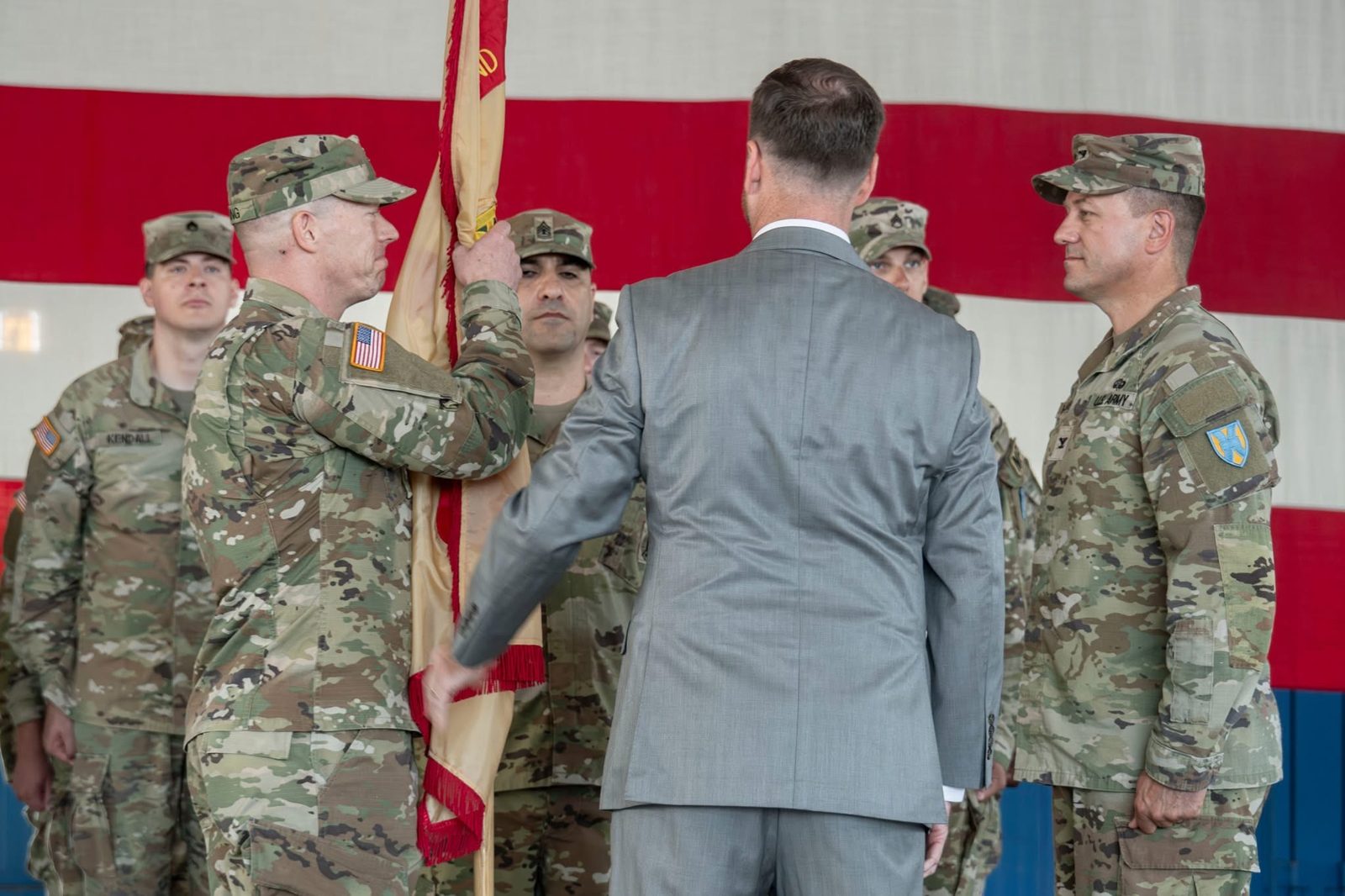
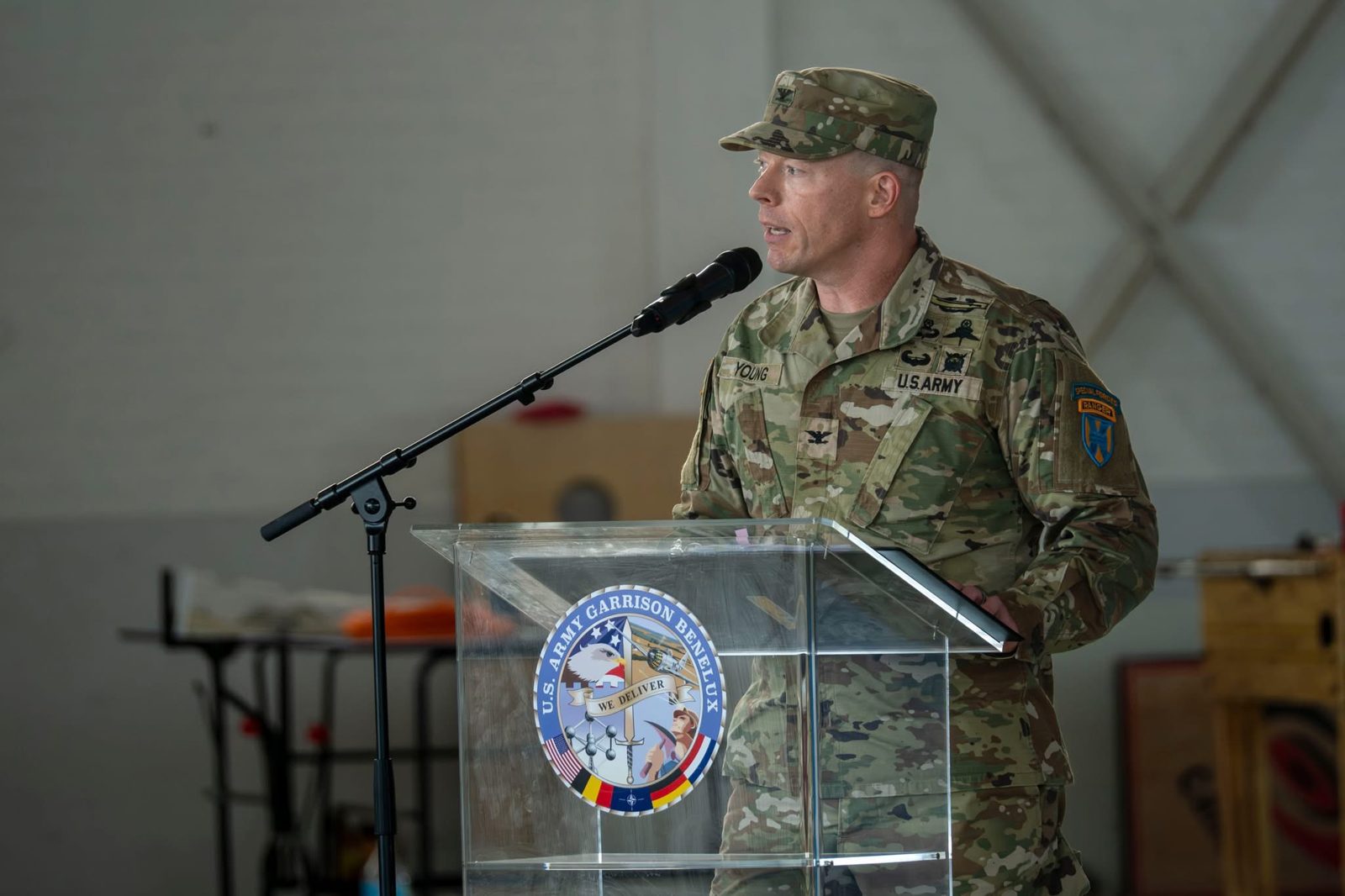
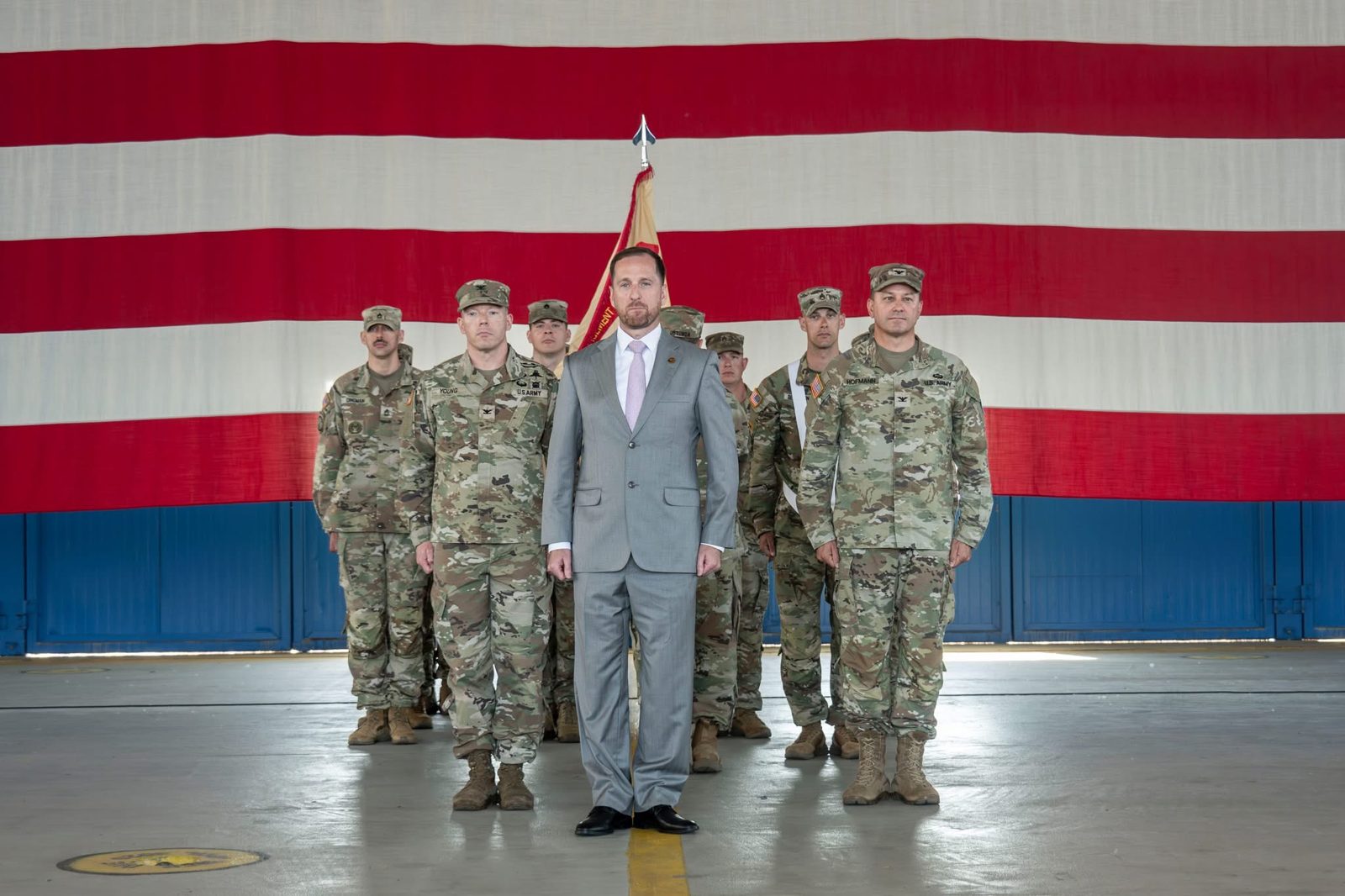
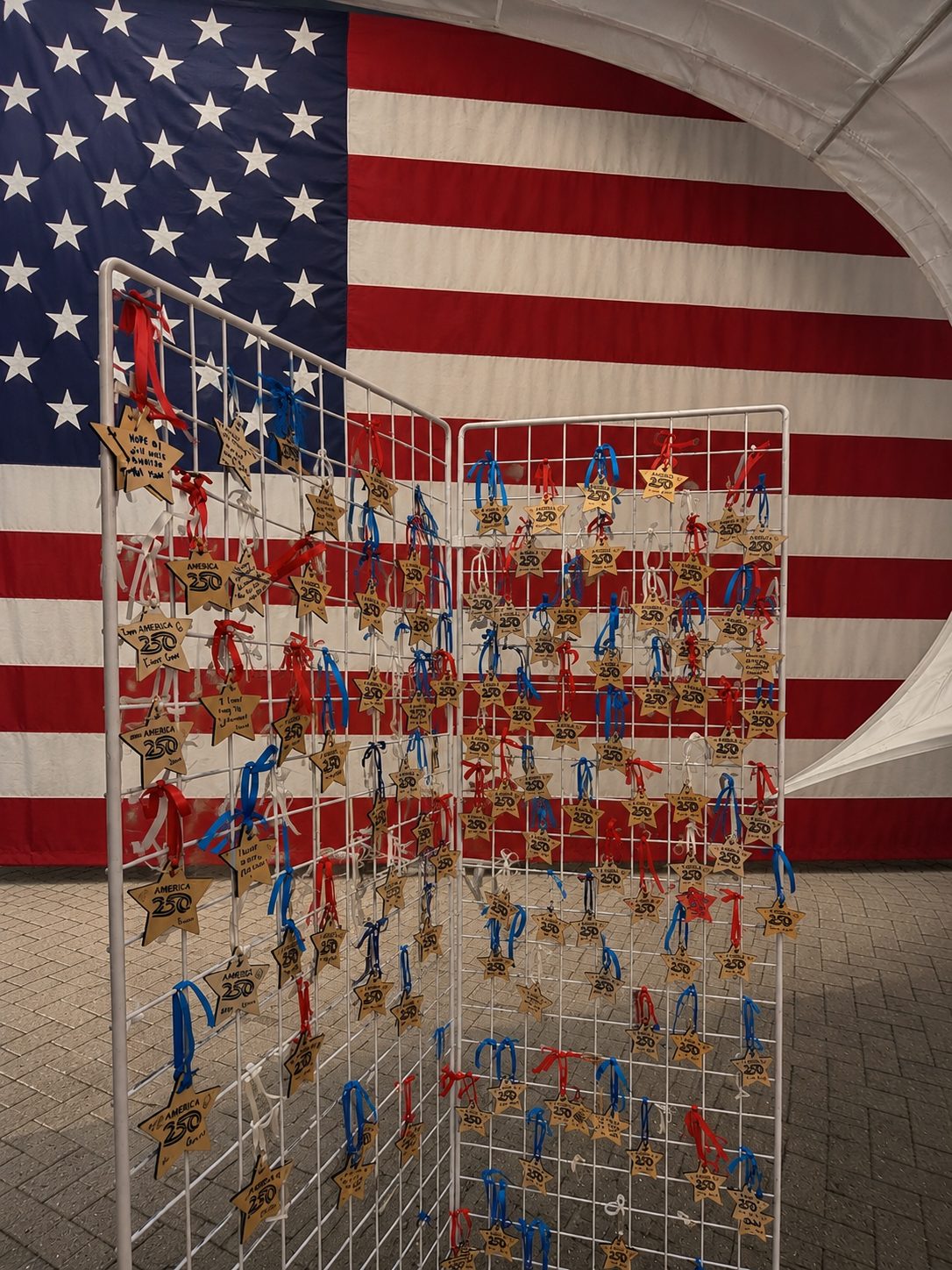
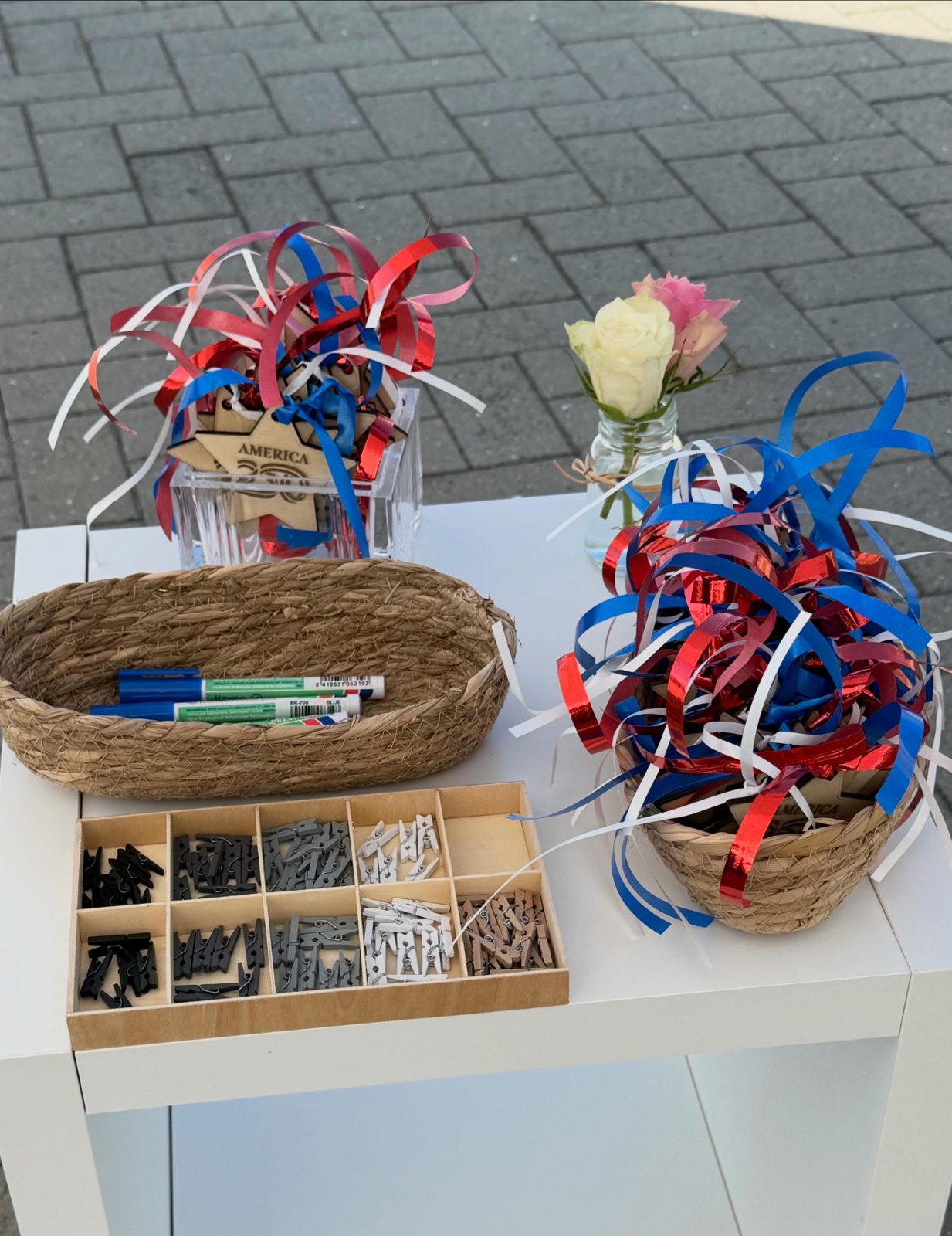
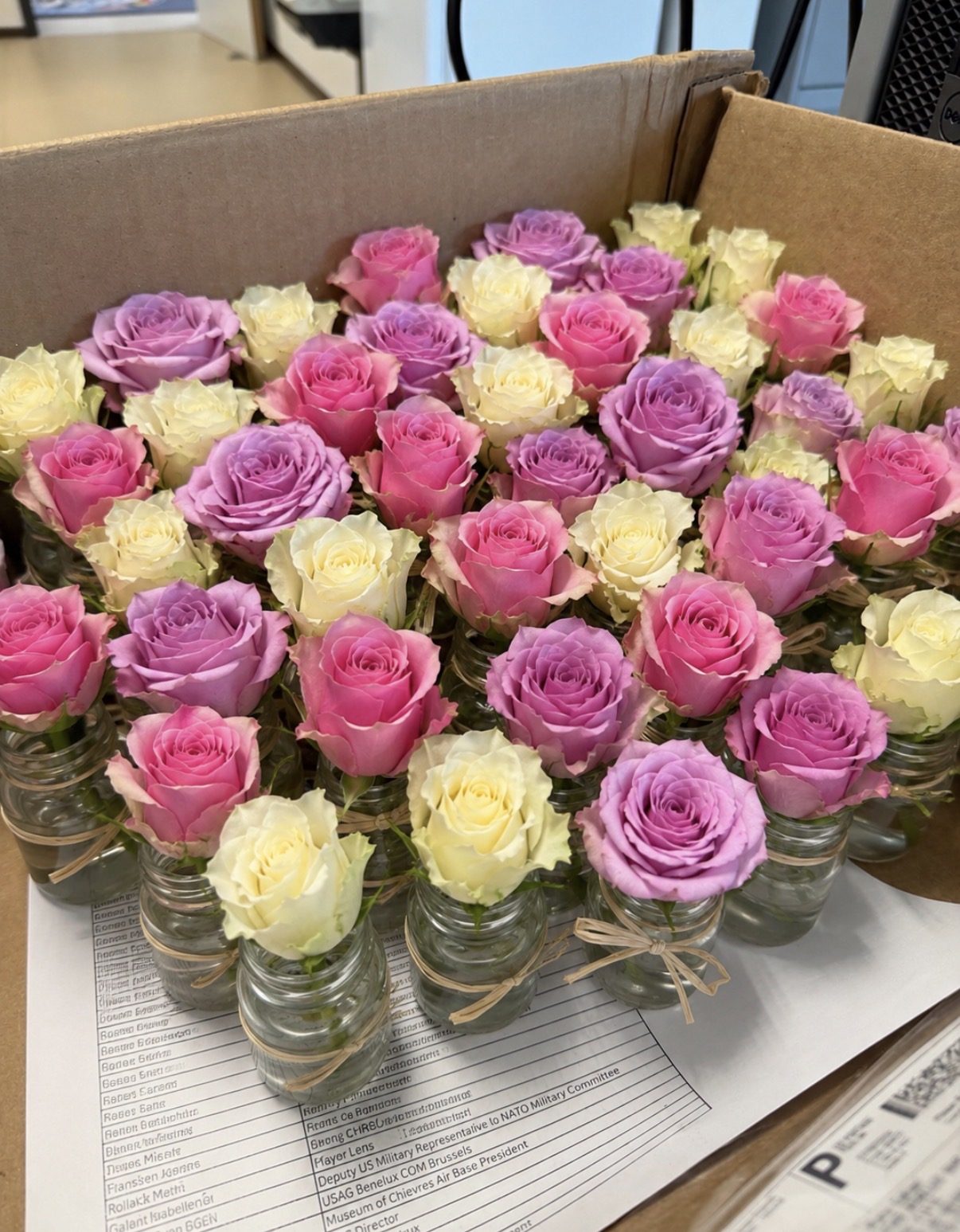
USAG Benelux Change of Command. I helped stage the reception around the ceremony: the keepsakes, the guest craft station, the favours and the flowers.
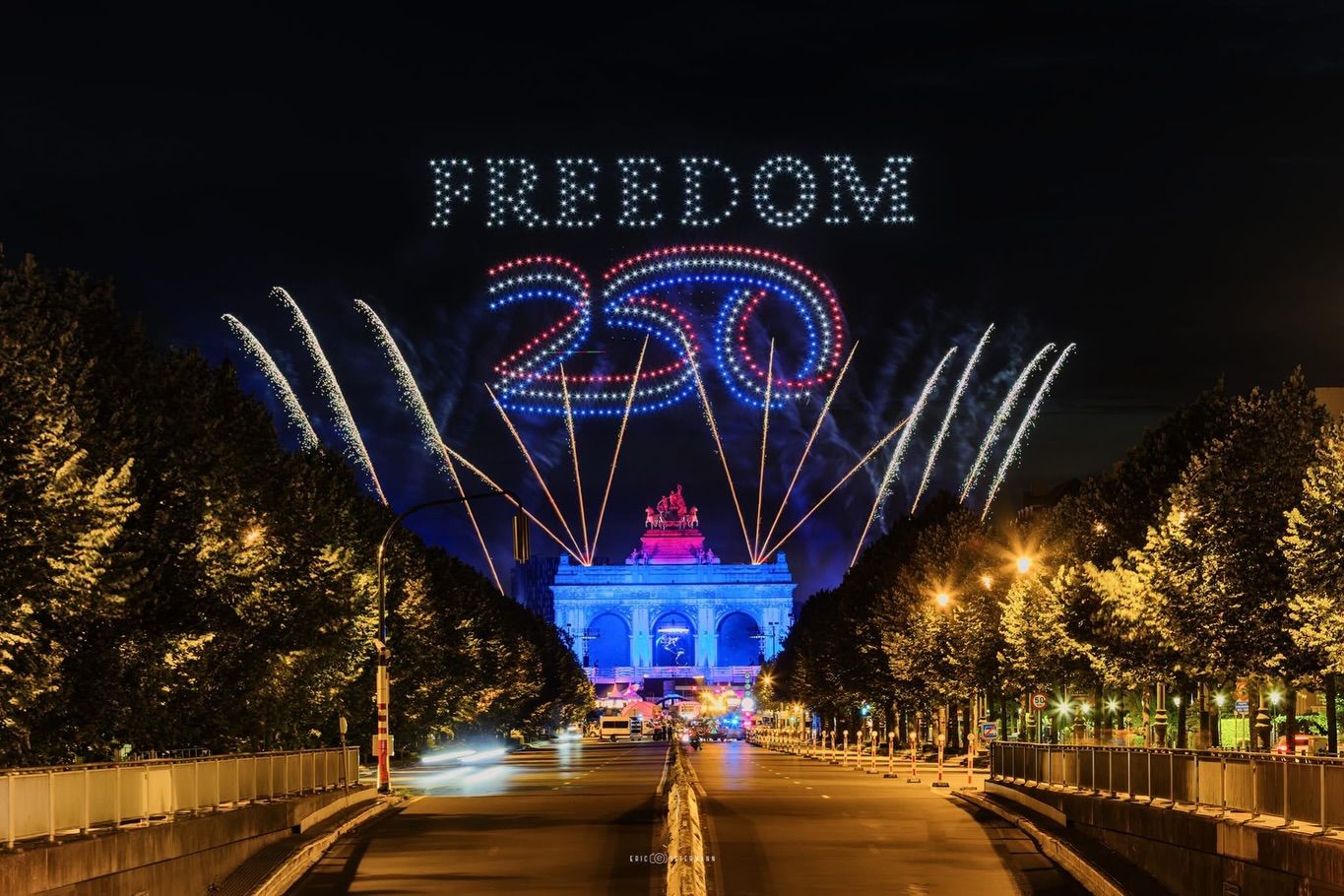
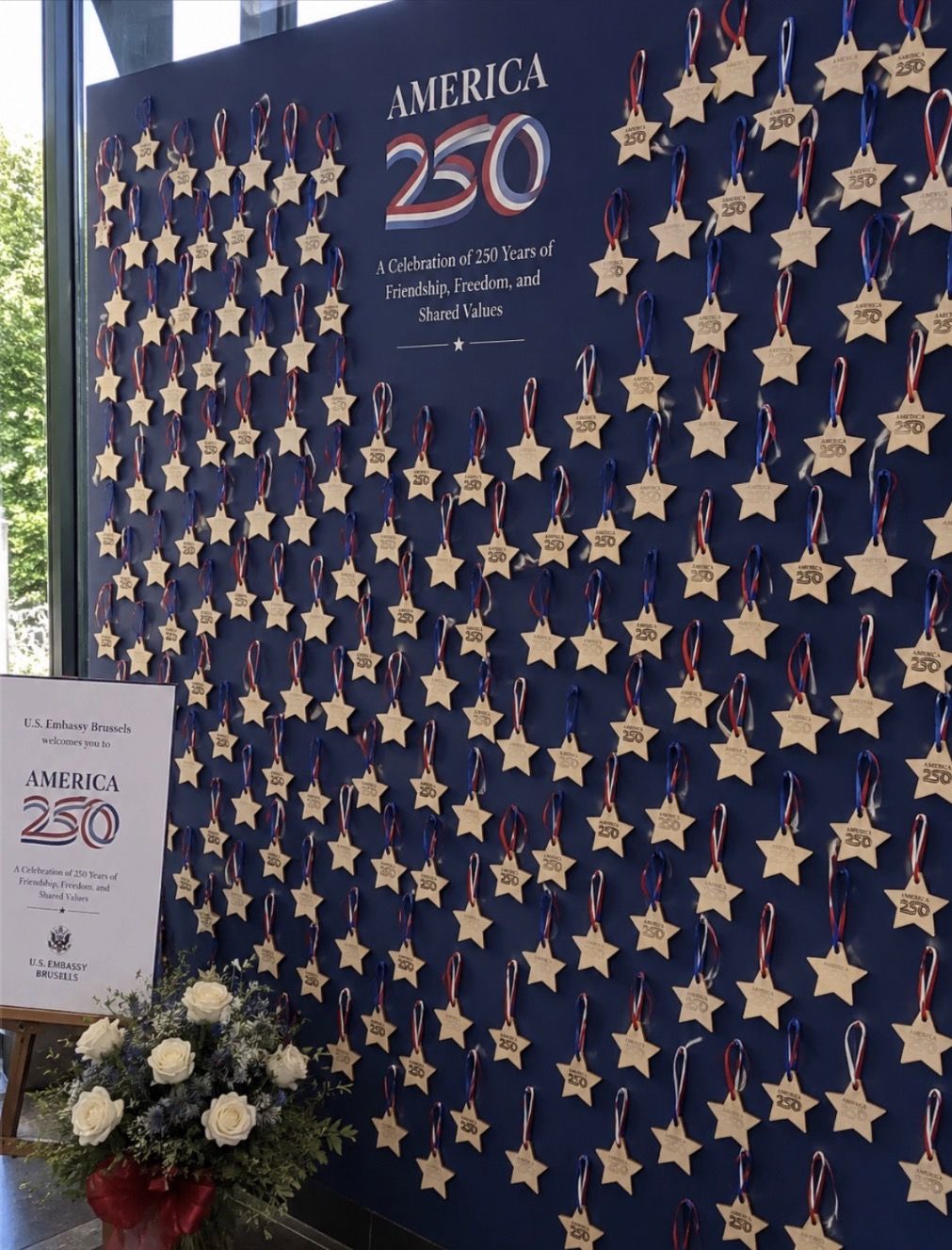
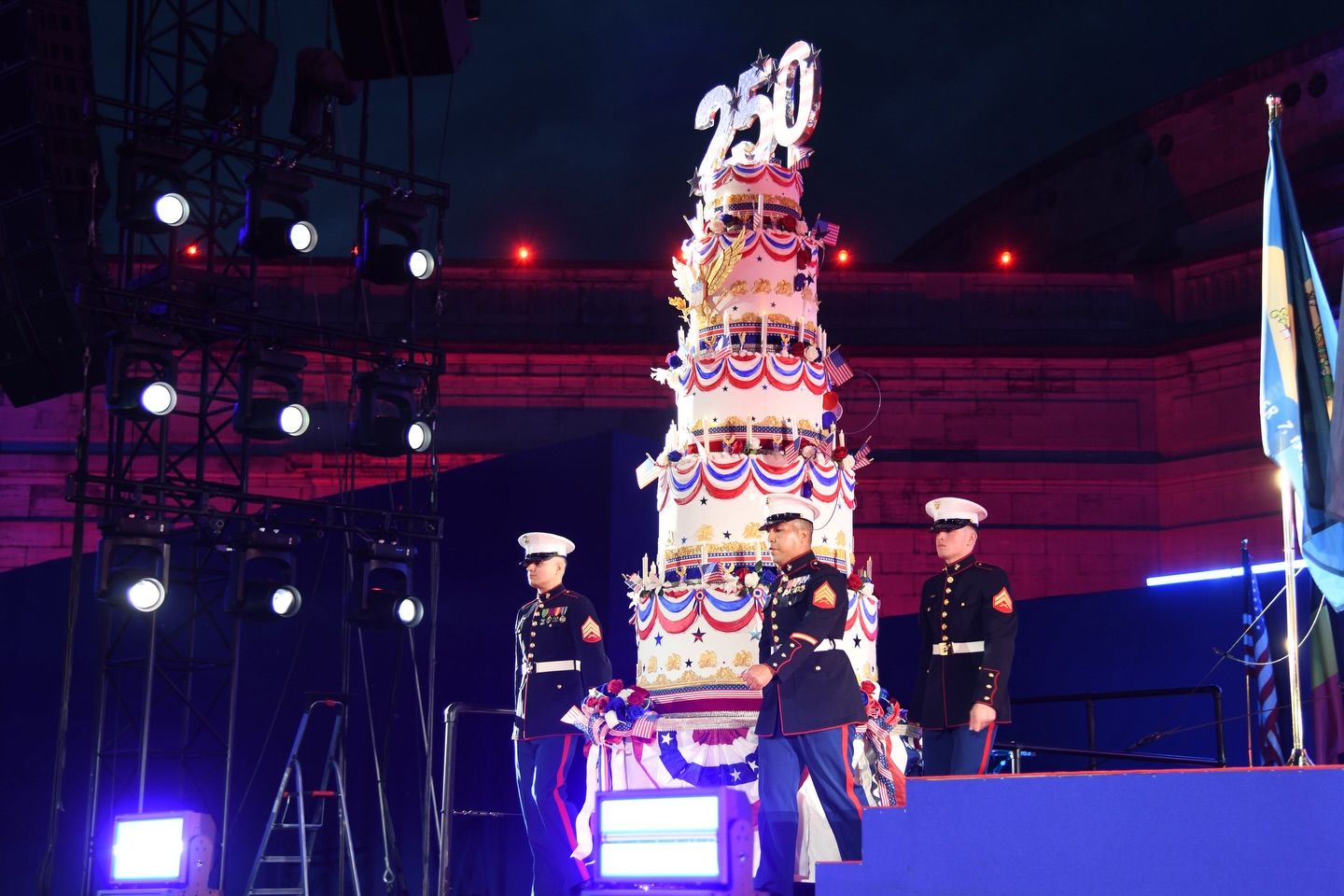
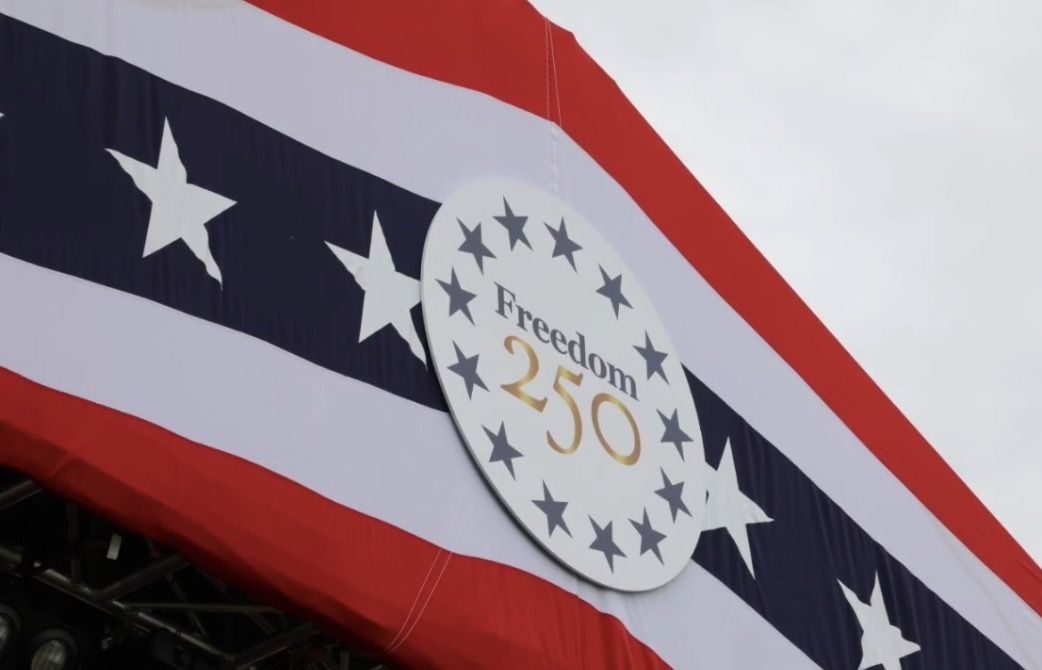
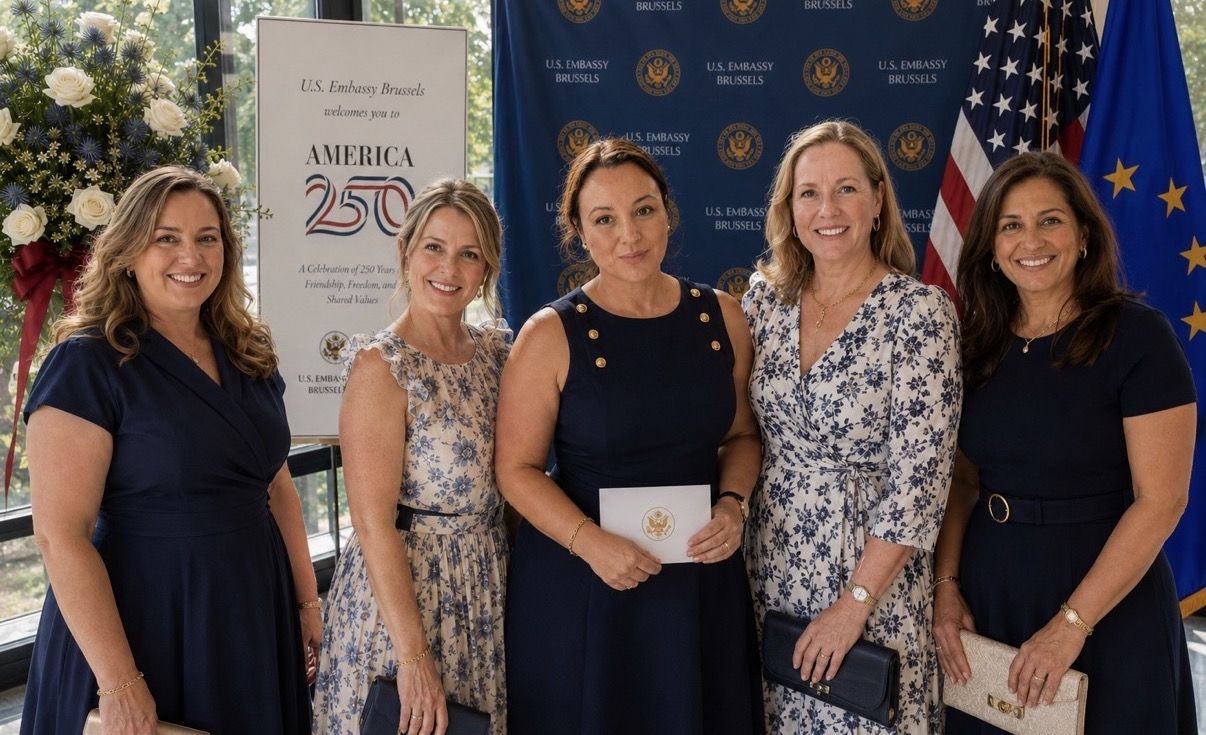
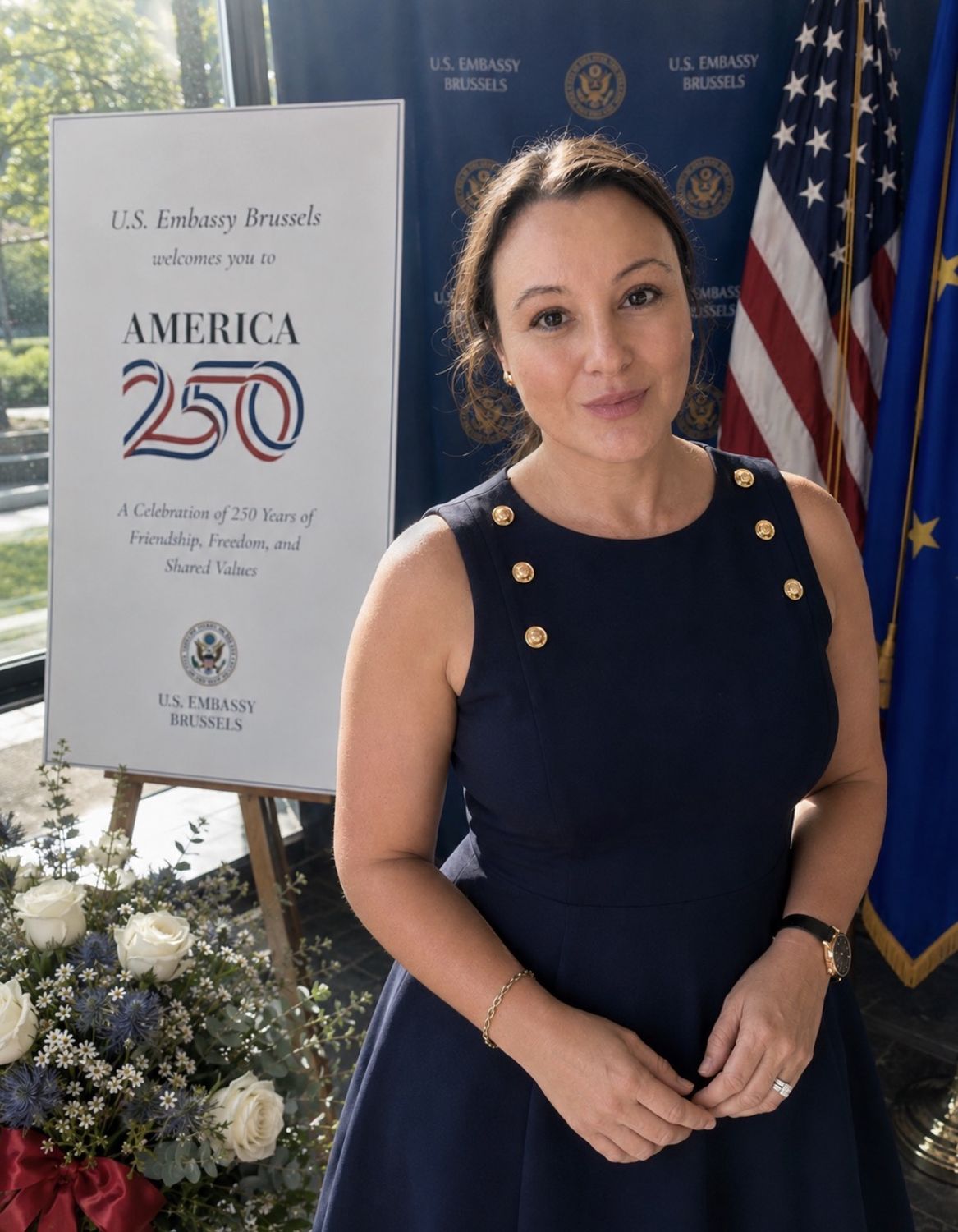
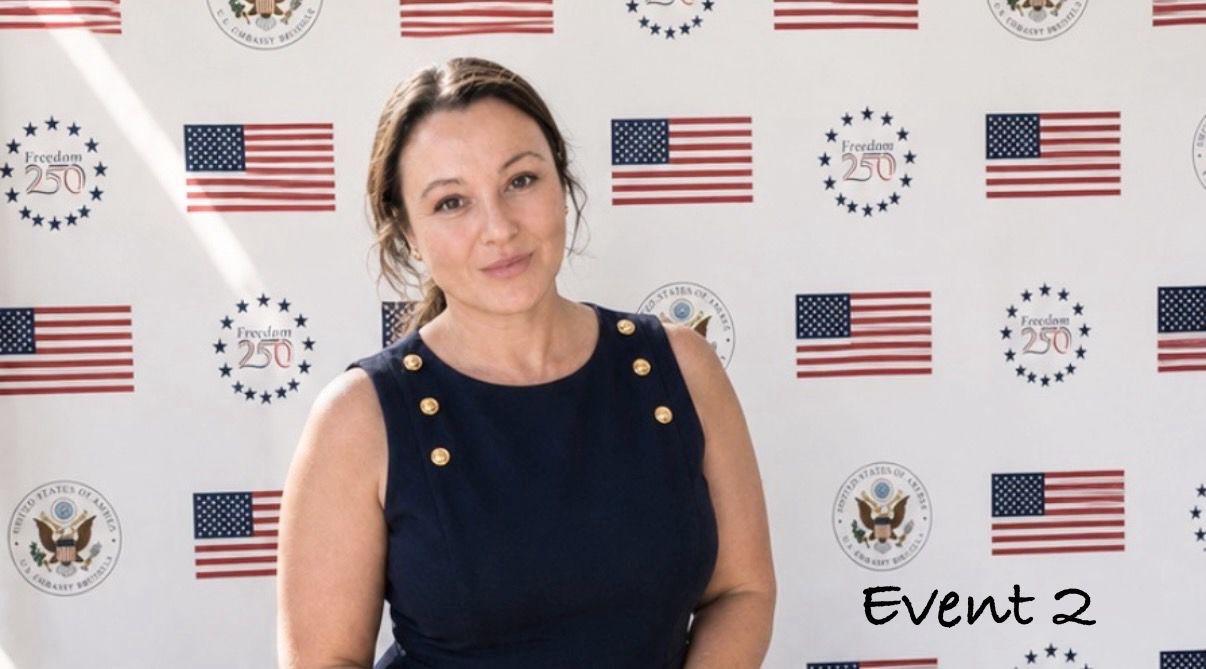
America 250. Across the anniversary season I helped shape the celebrations, from the embassy star wall to the events themselves.
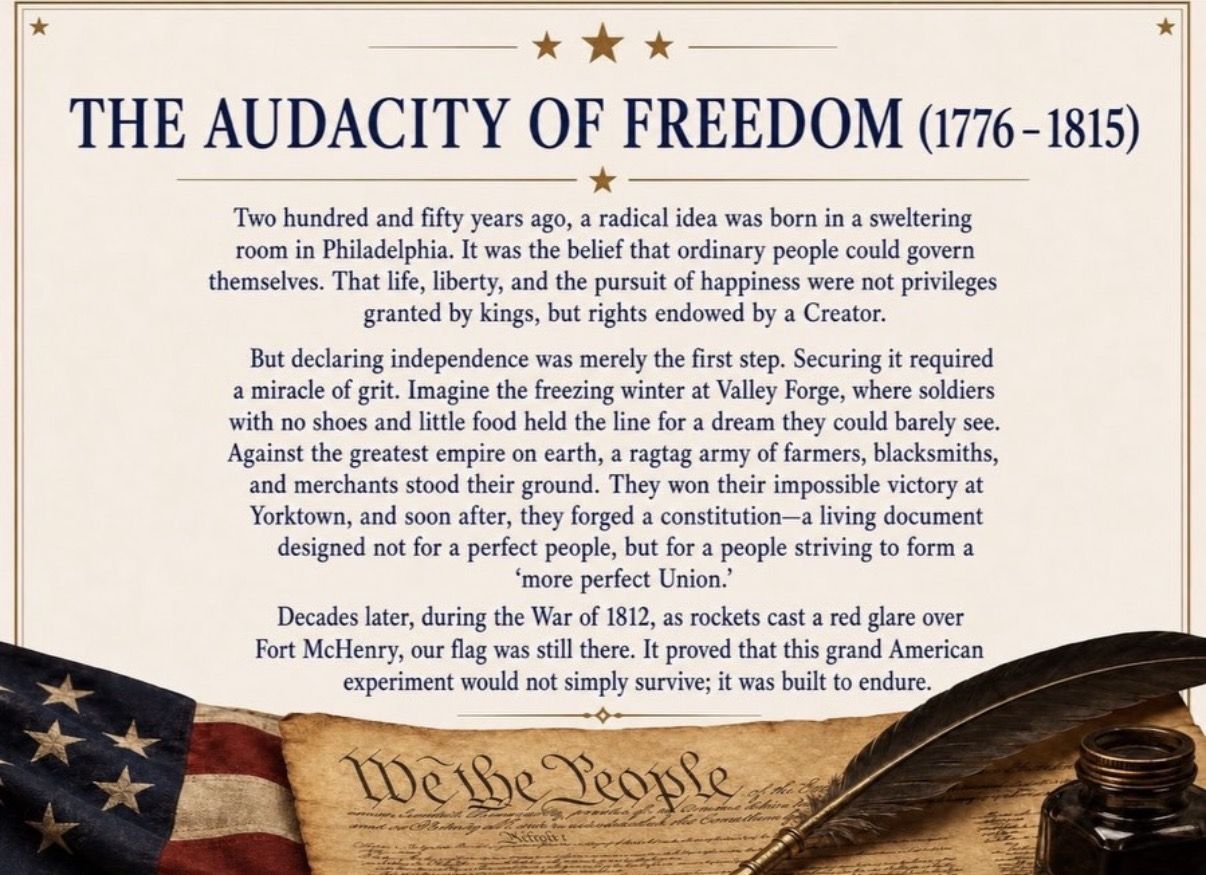
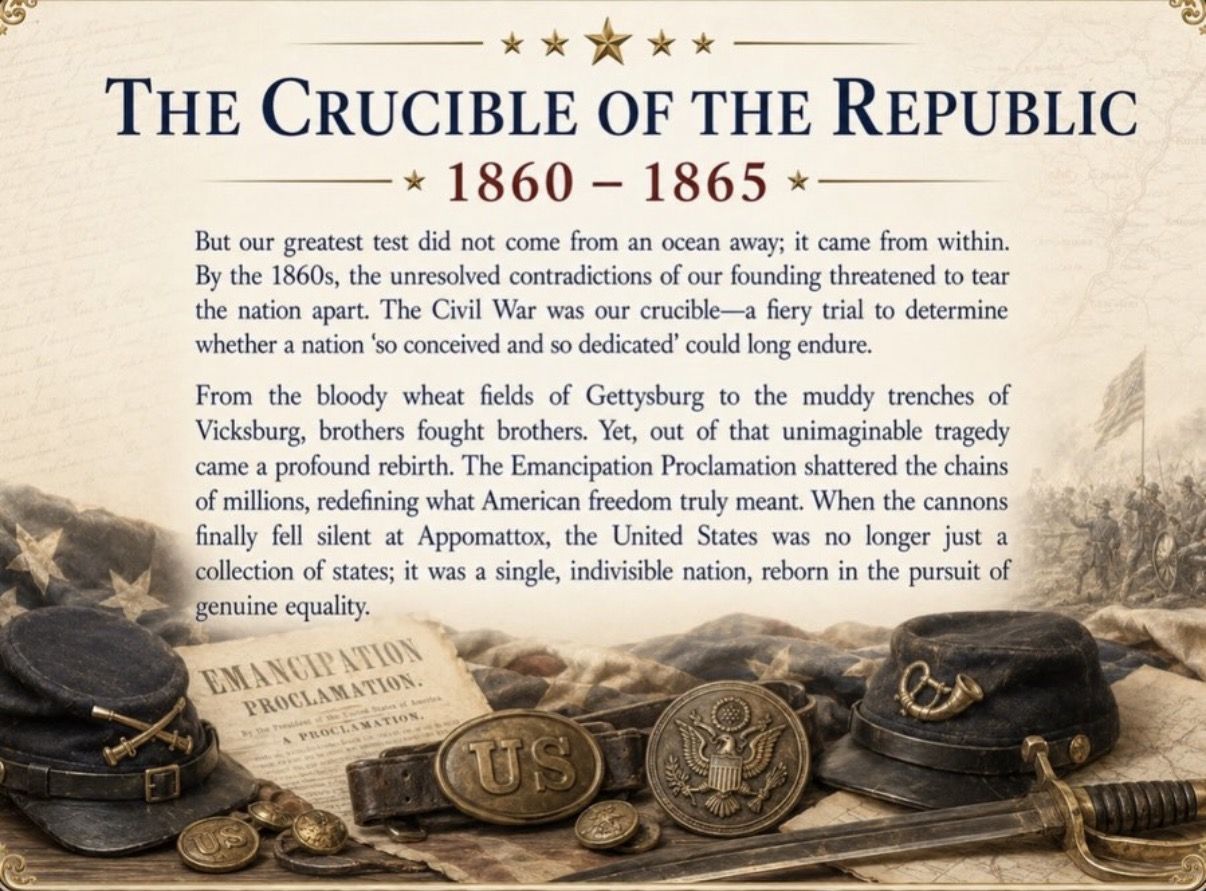
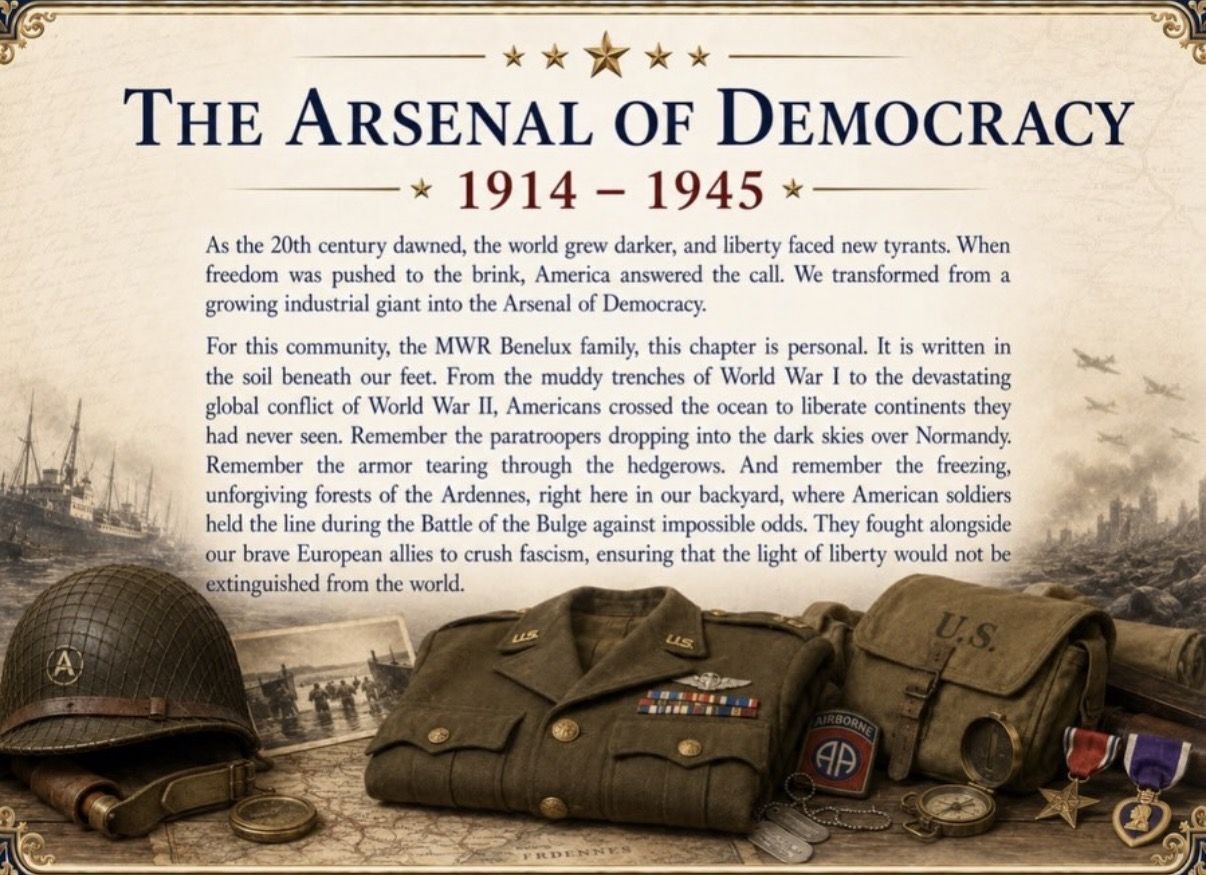
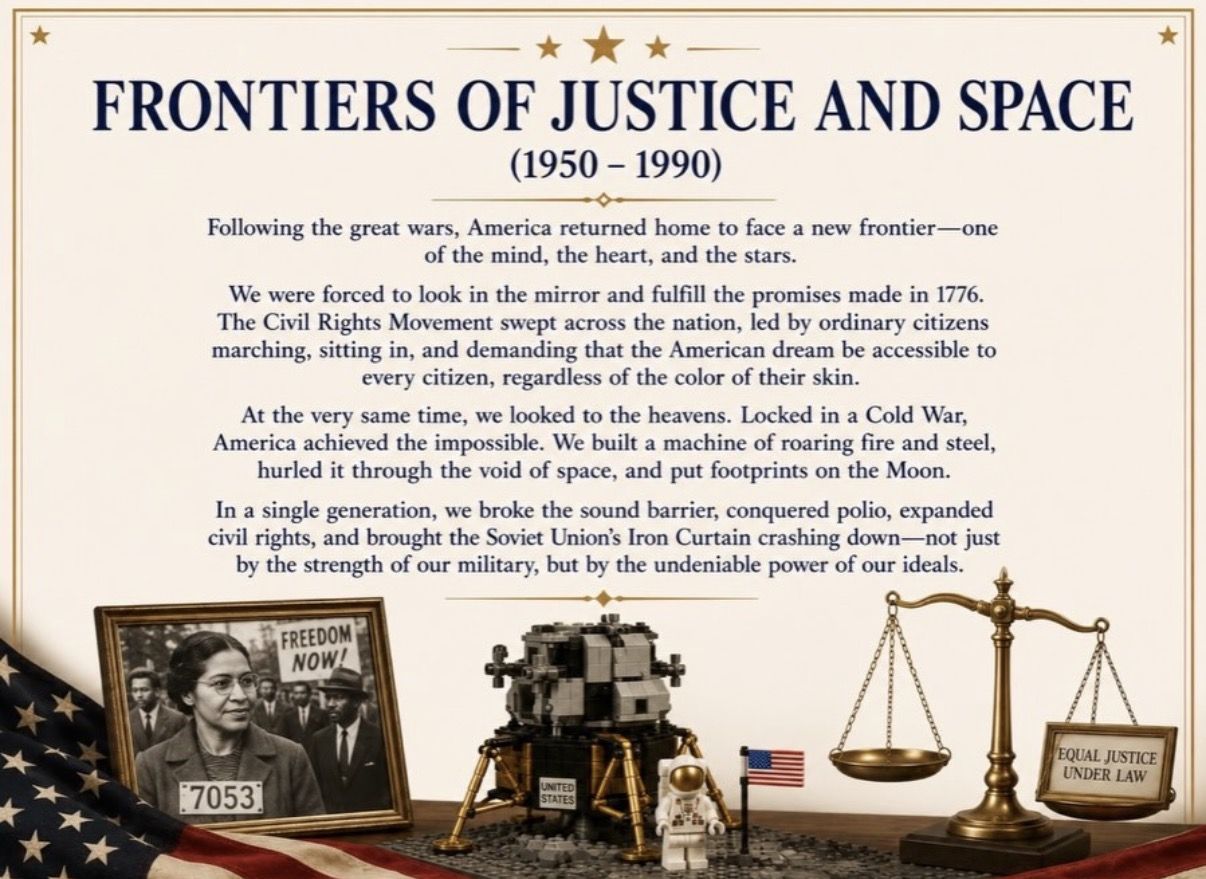
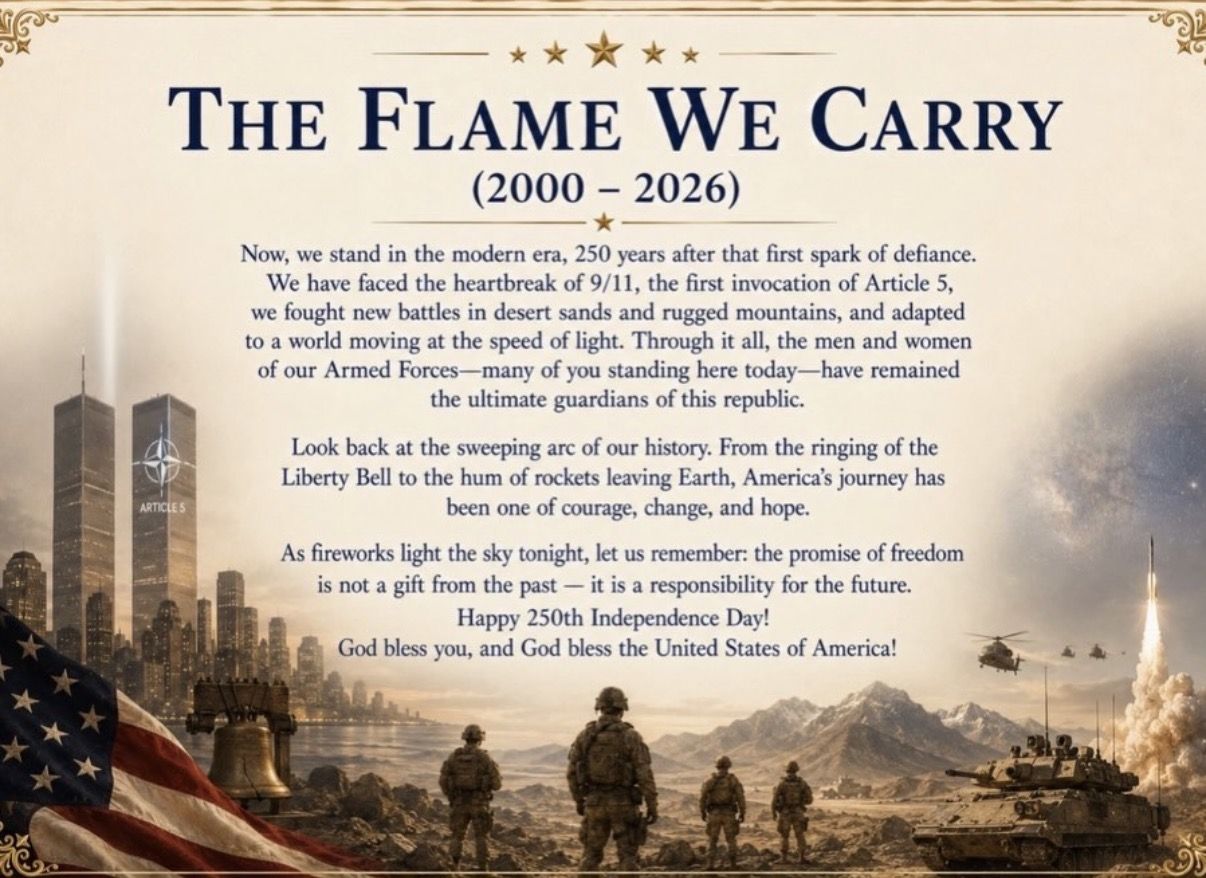
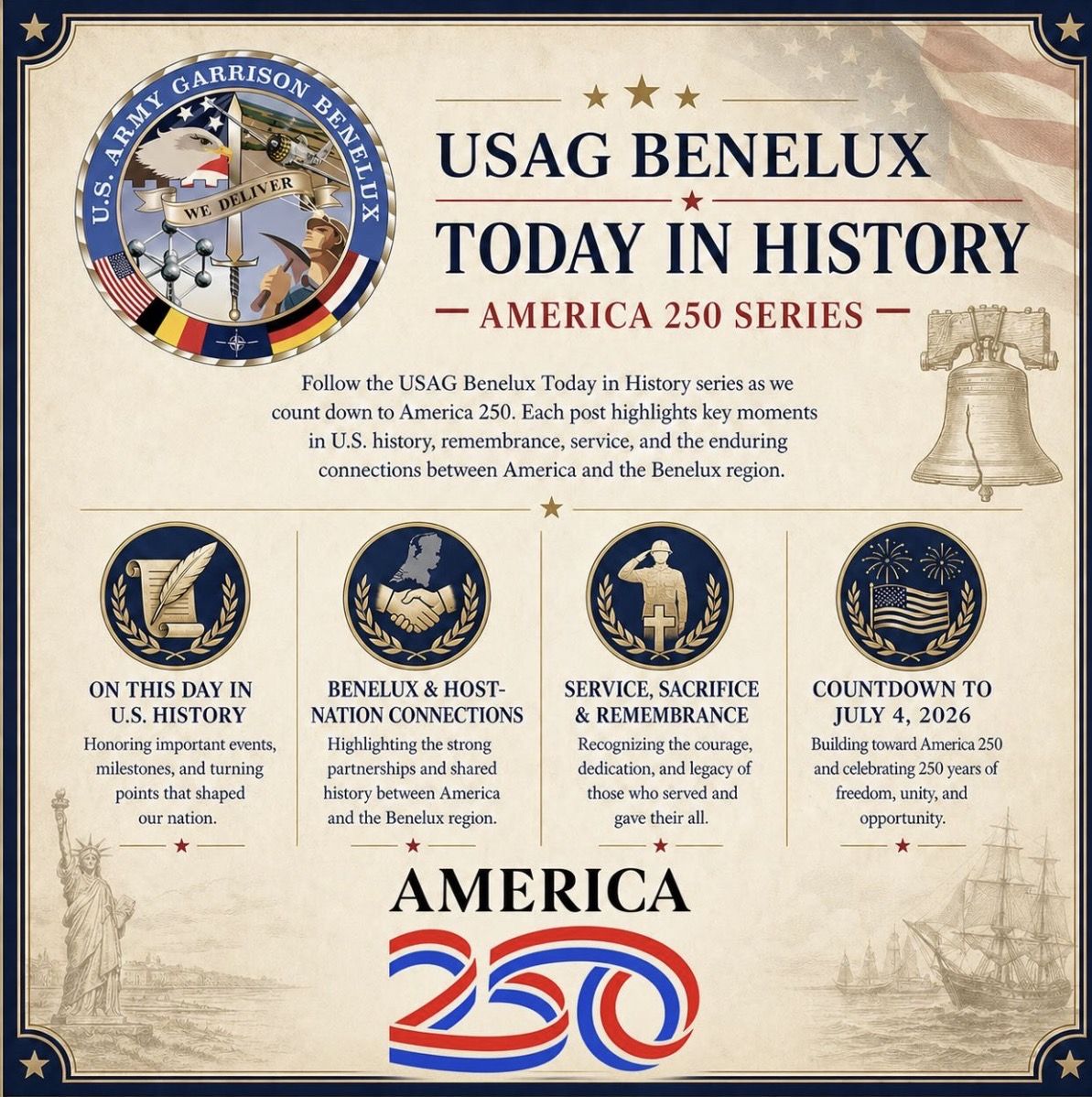
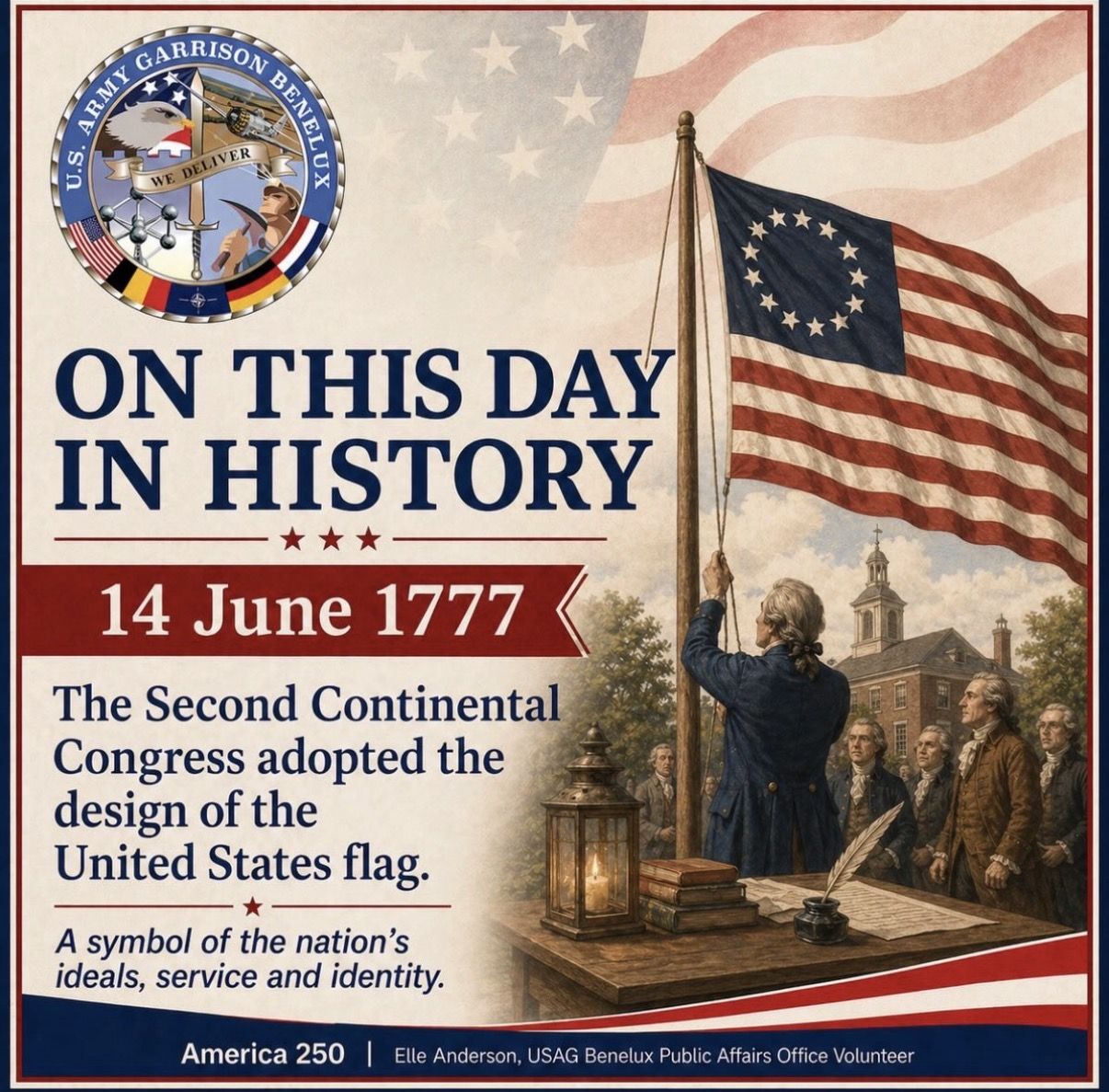
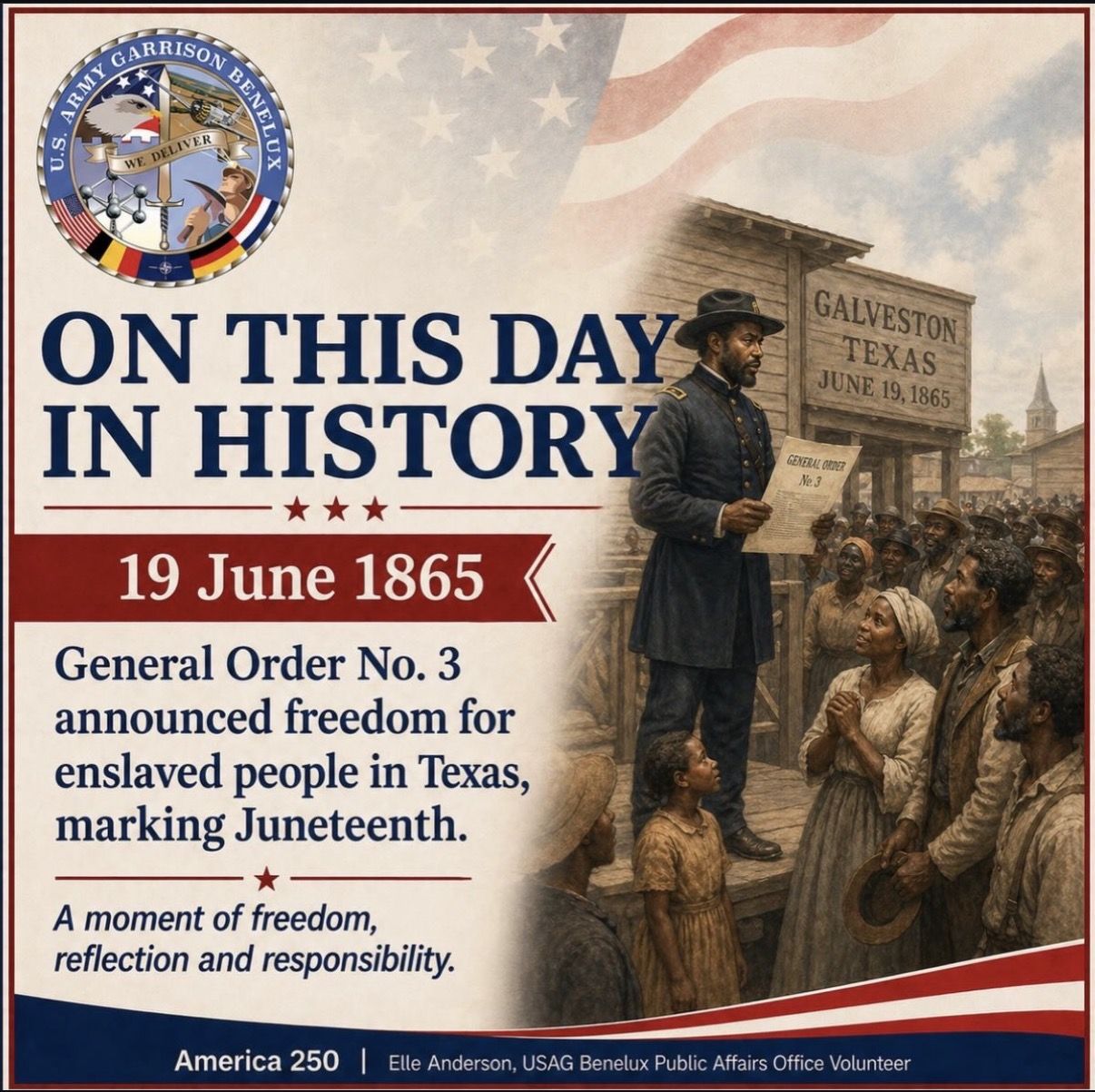
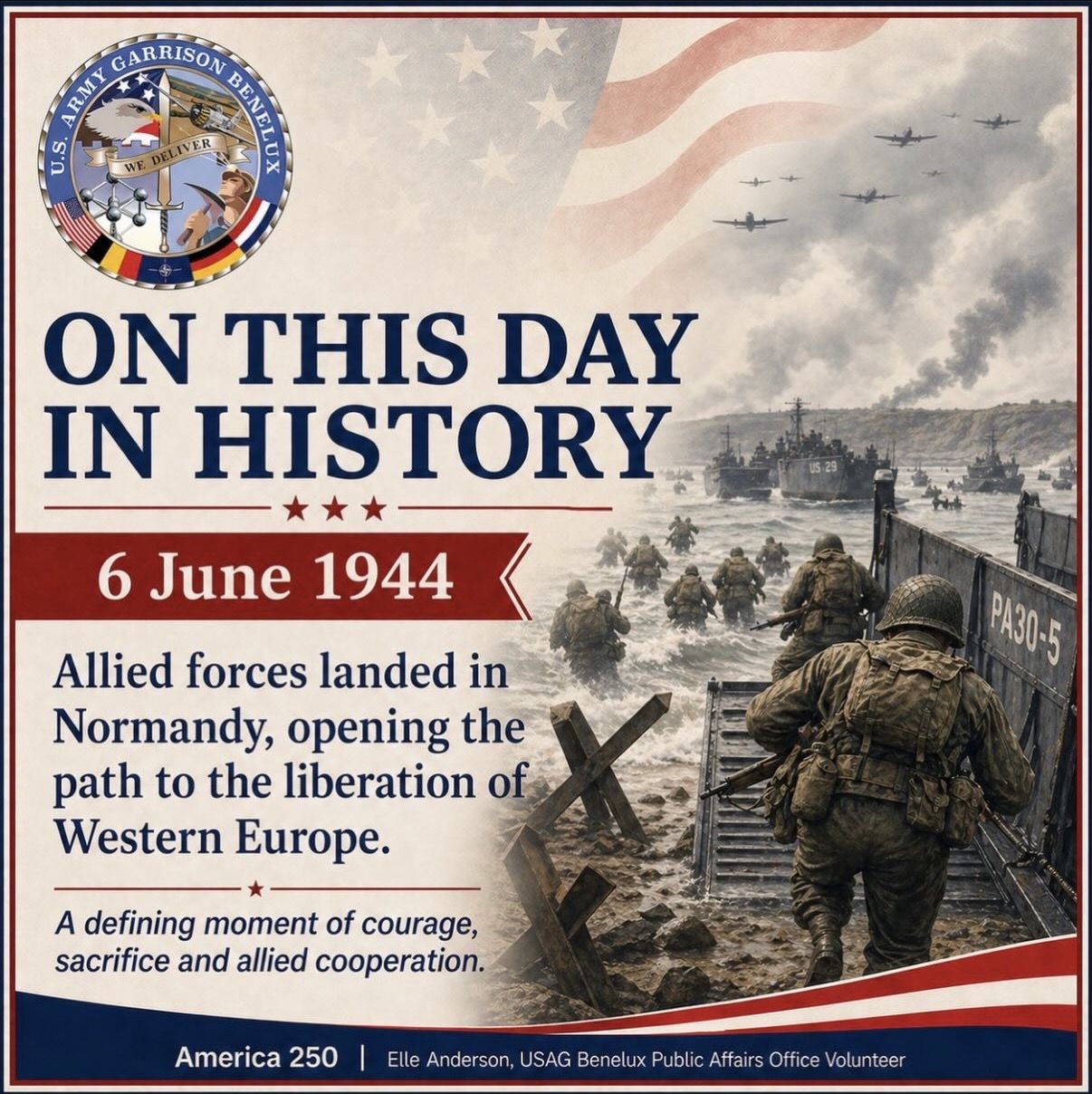
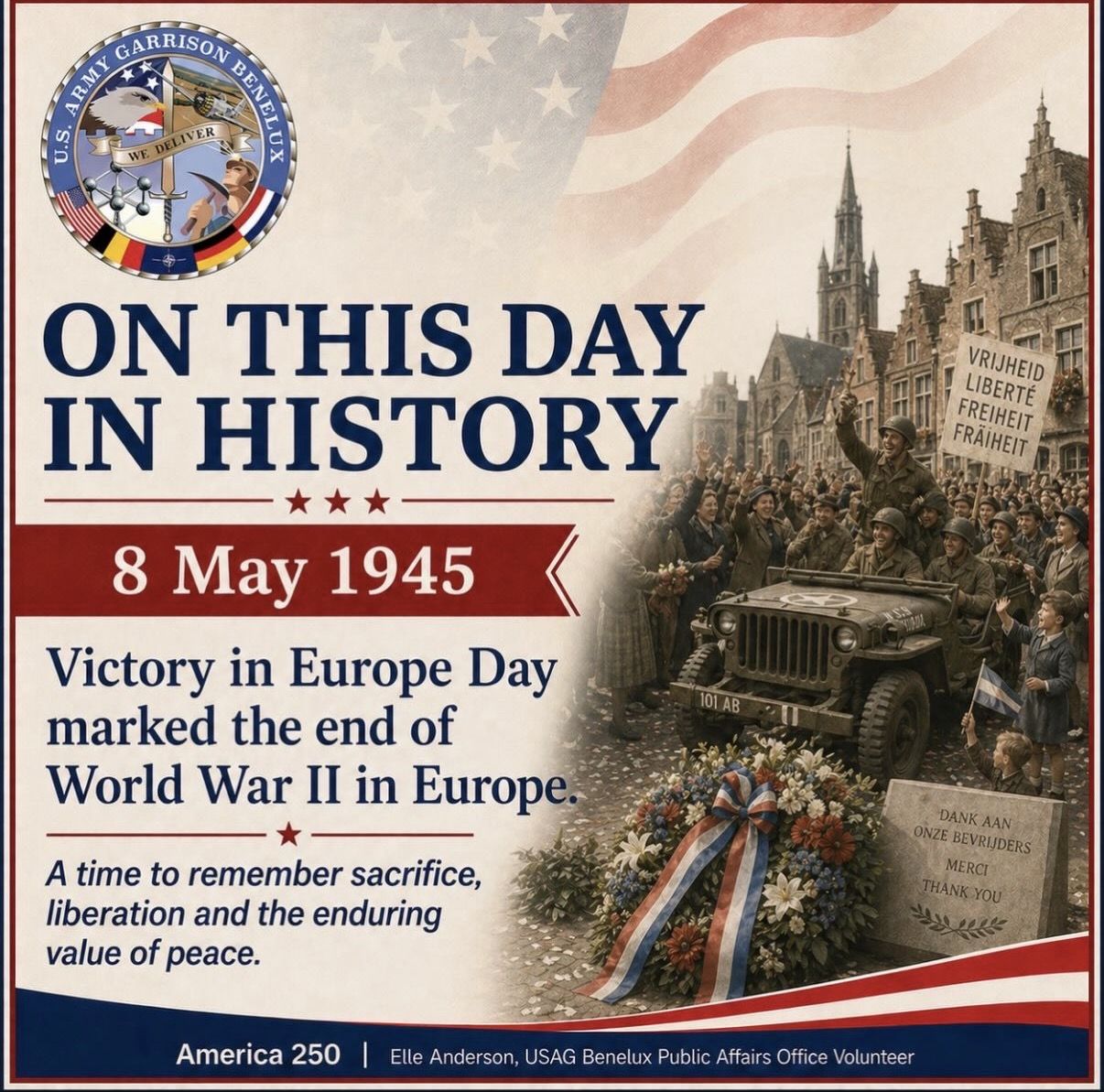
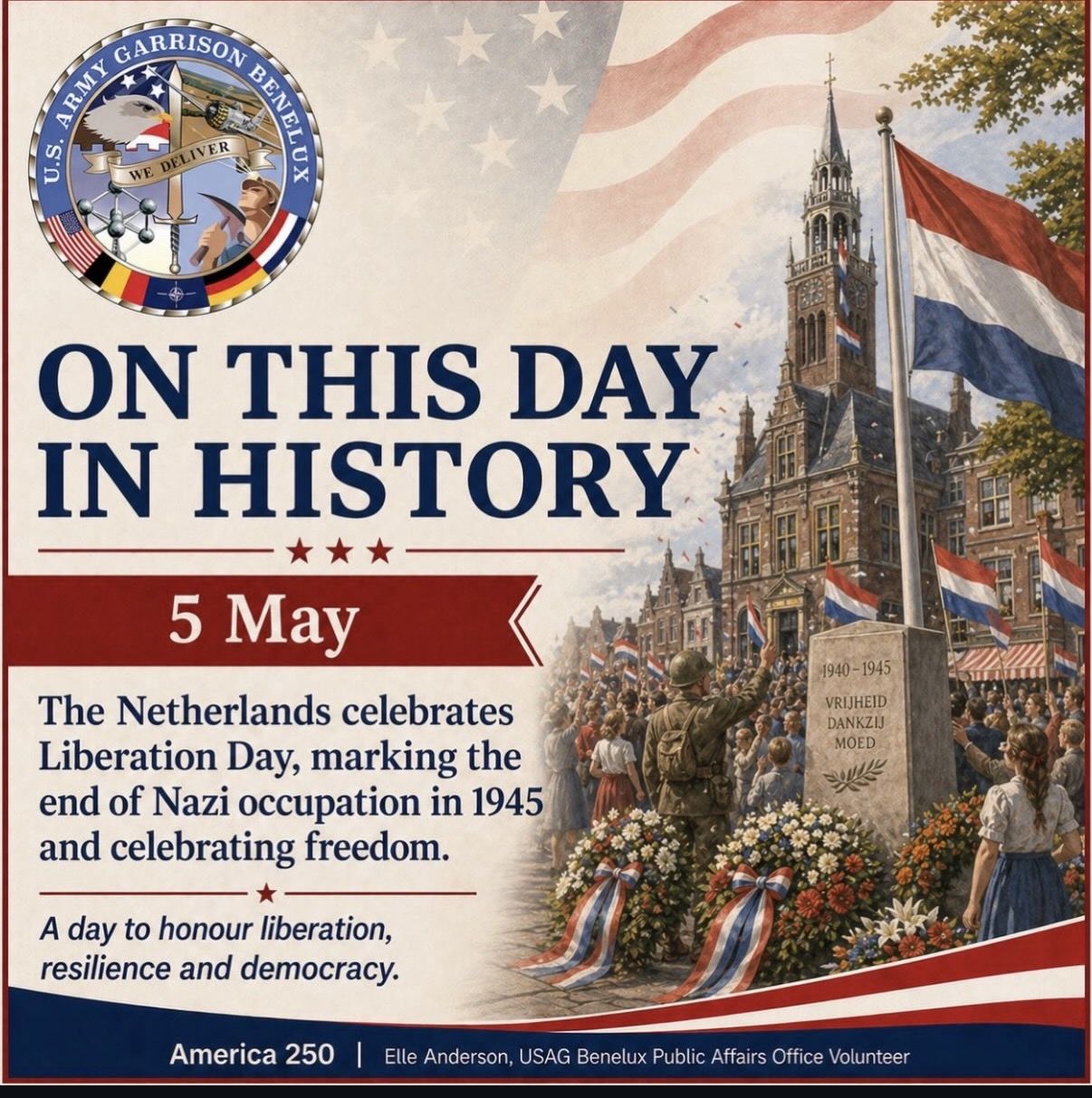
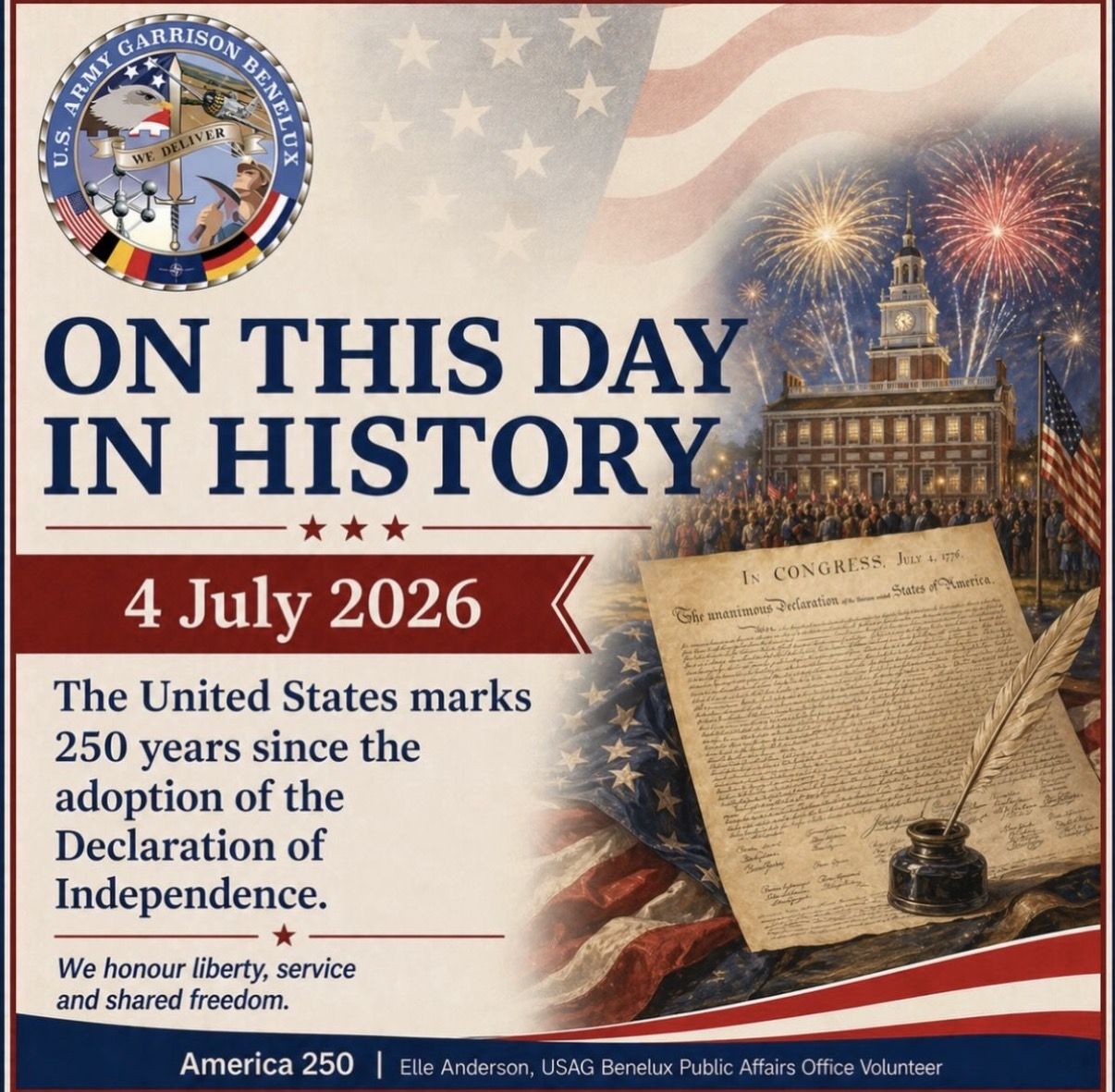
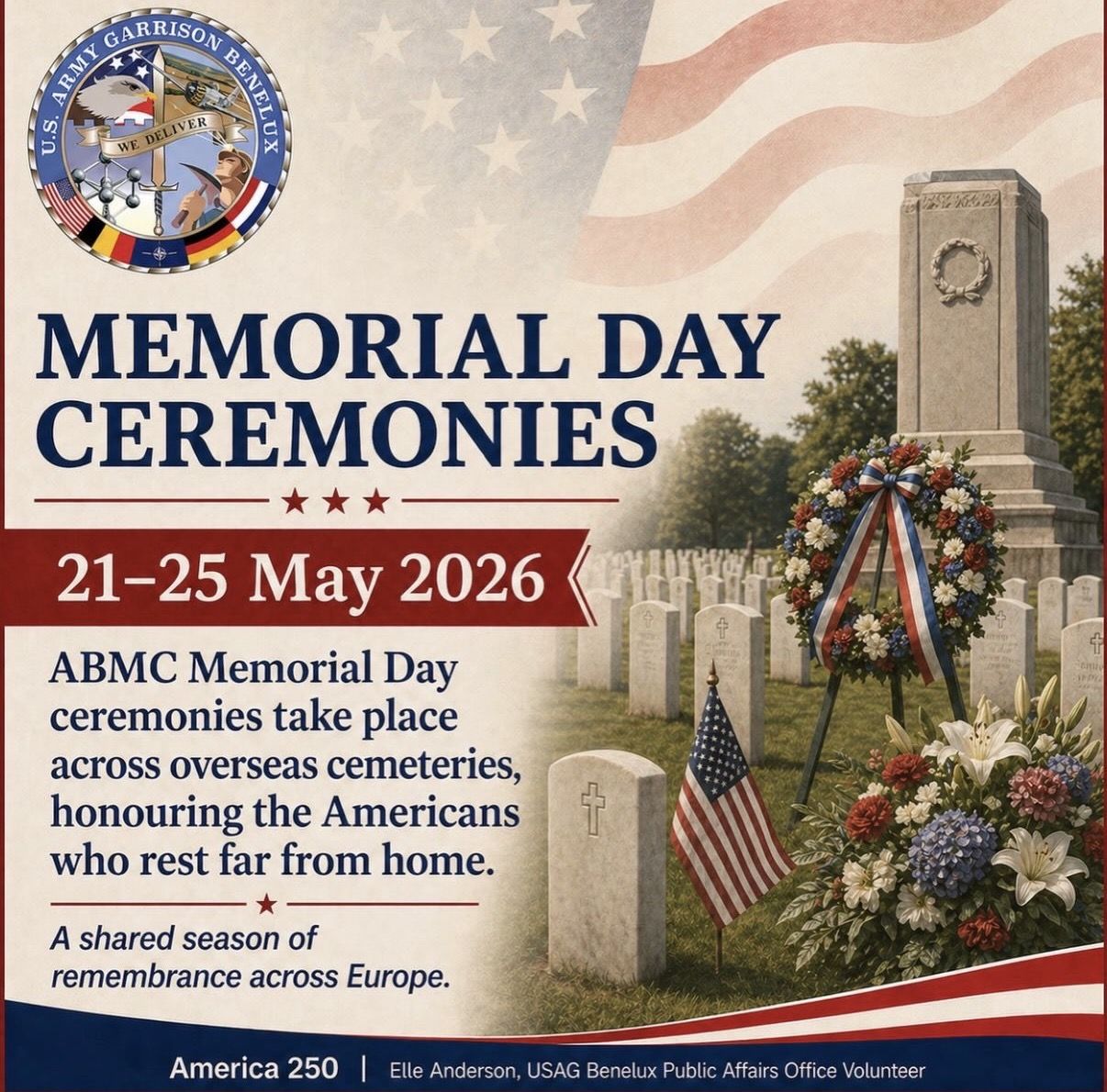
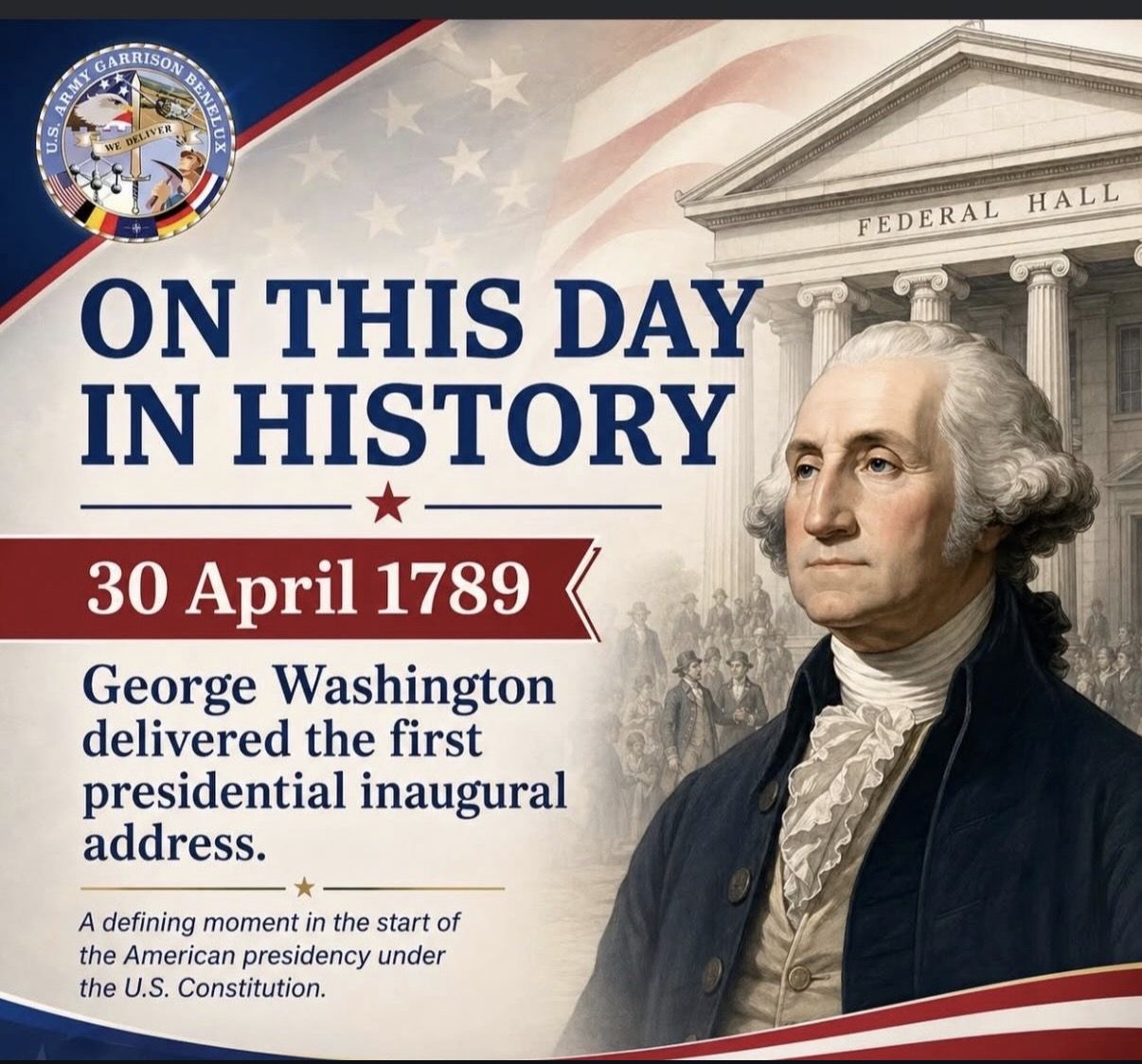
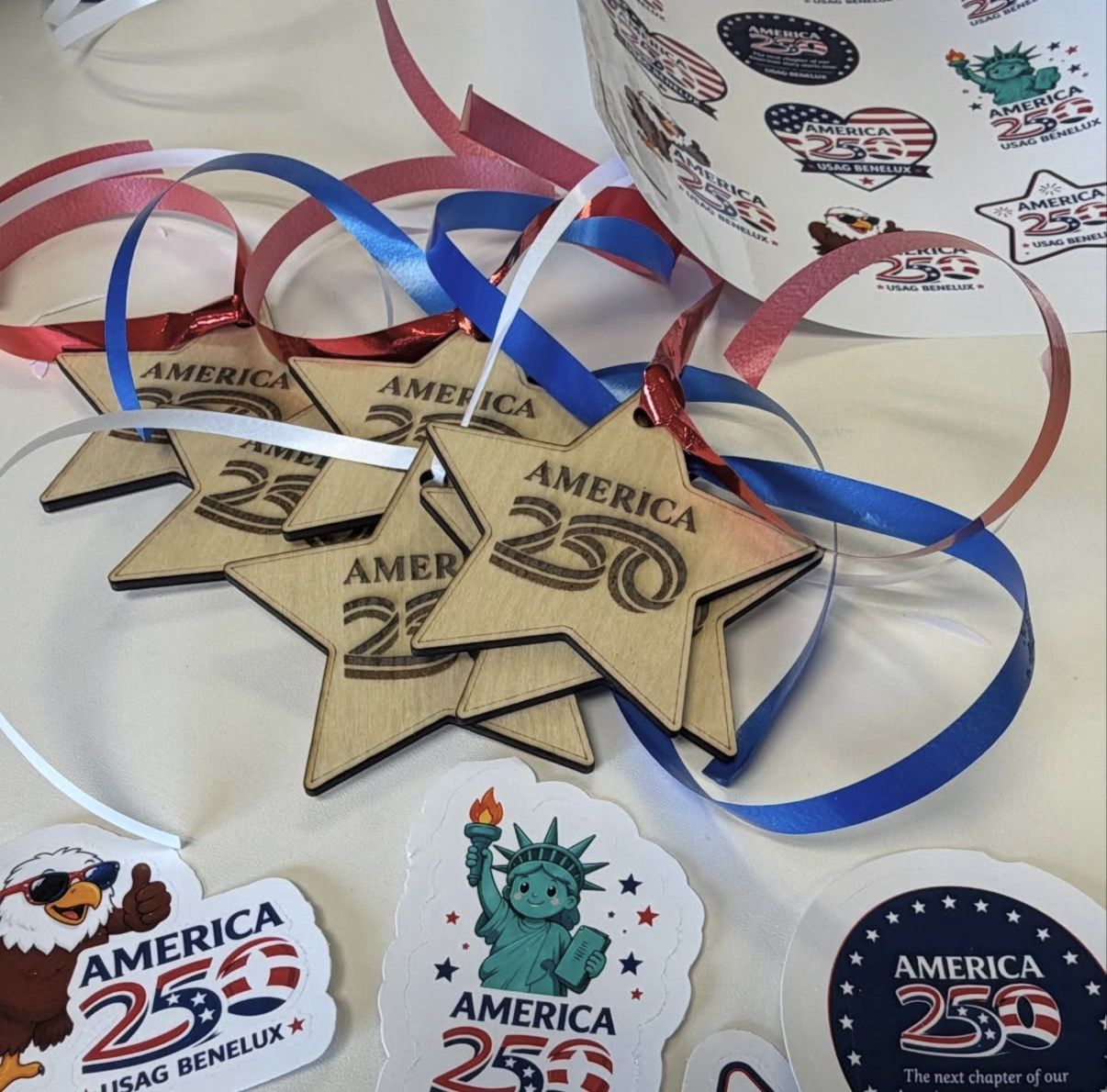
The social campaign. Original illustrations I designed and finished in Adobe Creative Cloud, part of a 40-post America 250 series across the garrison’s channels.
The point of showing your worth is that you build new worth while you do it. Across these three years I finished my MBA, and I added cybersecurity and data-analytics qualifications, because if I was going to put AI at the heart of things, I wanted the technical ground firmly under my feet.
And I put down a lot of imposter syndrome I had carried for years. The evidence had quietly piled up until it was hard to argue with. I am a brilliant technology VP. It took a career break, of all things, to let me say that plainly.
If you are a fellow forces spouse building a portfolio career, or you just like product turning up in unlikely places, come and say hello on LinkedIn.
 Elle Anderson