Every tool on this site, in alphabetical order: what it is, how to use it, when to reach for it and where it bites. They are a subset of the same useful tactics I use in my own product functions. The fillable versions of all twenty-one templates arrive by email, once, verified. Get the Fillable Templates.
Tool · A to Z
The AI Feature Readiness Check
What it is. Nine questions from the product chair before an AI feature ships: wrong-answer cost, the moment after, kill criteria.
How to use it. Run it as a team, out loud, before the demo. Any “no” becomes the next piece of work, not a reason to stop.
When to reach for it. Any time a roadmap line contains the letters AI and a launch date.
Gotchas. The temptation is to run it after the demo, when everyone is already in love. Before the demo, or it’s theatre.
Open the Tool · Get the Fillable Template
Tool · A to Z
The Discovery Interview Kit
What it is. Everything needed to run customer interviews that change decisions instead of confirming them.
How to use it. Print it, take it into the room and debrief within 24 hours, while the surprise is still surprising.
When to reach for it. When someone has been told to “do discovery” and handed nothing.
Gotchas. Behaviour beats testimony. If your notes are all quotes and no observed workarounds, you interviewed a witness, not a user.
Open the Tool · Get the Fillable Template
Tool · A to Z
The Flow Health Check
What it is. Ten checks that reveal whether your board is telling the truth. Companion to the kanban field note.
How to use it. Fifteen minutes with the whole team, scoring honestly. Arguments encouraged; they are the output.
When to reach for it. When delivery feels slower than the board says it has any right to be.
Gotchas. A board that never embarrasses anyone isn’t mature; it’s decorative. Expect discomfort. That is the finding.
Open the Tool · Get the Fillable Template
Tool · A to Z
The Opportunity Brief
What it is. One page an opportunity must survive before it becomes a project. Nine boxes.
How to use it. Fill it in with the people who have to live with the answer. If a box can’t be filled honestly, the opportunity isn’t understood yet.
When to reach for it. Before anyone writes a roadmap line or asks for funding.
Gotchas. Filling it in alone at a desk defeats the point. The arguing is the value; the filled-in page is just the receipt.
Open the Tool · Get the Fillable Template
Tool · A to Z
The Product Organisation Health Check
What it is. Thirty statements about how your product organisation actually runs, as opposed to how the operating model slides say it runs.
How to use it. Leadership team scores independently, then compares. The disagreements are the findings.
When to reach for it. Post-acquisition, mid-restructure or when a digital strategy has stalled and nobody will say so.
Gotchas. Score what happened last quarter, not what the operating model promises. Nostalgia and ambition both corrupt the data.
Open the Tool · Get the Fillable Template
Tool · A to Z
The Product Ops Health Check
What it is. Twelve checks that show whether your Product Ops engine is working or just decorating: insight, discovery infrastructure, cadence, enablement and AI operations.
How to use it. Product leadership team, half an hour, ticks agreed together. Tick what is true today, not what the operating model deck promises.
When to reach for it. When every decision takes three weeks and the answer keeps being another product manager.
Gotchas. The AI operations check is the one most functions have not caught up with, and the one that costs most when missing.
Open the Tool · The Product Ops Section
Tool · A to Z
The Product Strategy One-Pager
What it is. If your strategy can’t survive one page, it isn’t a strategy yet; it’s a wish list with formatting.
How to use it. One author drafts. Then the leadership team fights over boxes 4 to 6, which is where the strategy actually lives.
When to reach for it. Planning season, a new remit, or any meeting with “strategy” in the title and no document attached.
Gotchas. The “what we are saying no to” box must contain real options someone senior wanted, declined in writing. If it’s empty, start again.
Open the Tool · Get the Fillable Template
Tool · A to Z
The Stretch 1:1
What it is. A manager-as-coach conversation for capable people: they bring the problem, you bring questions, they leave taller.
How to use it. Monthly, alongside the ordinary 1:1s, never instead of them.
When to reach for it. When someone capable has gone quiet, comfortable or both.
Gotchas. If you can’t name their current stretch, that is the finding, not a reason to cancel the meeting.
Open the Tool · Get the Fillable Template


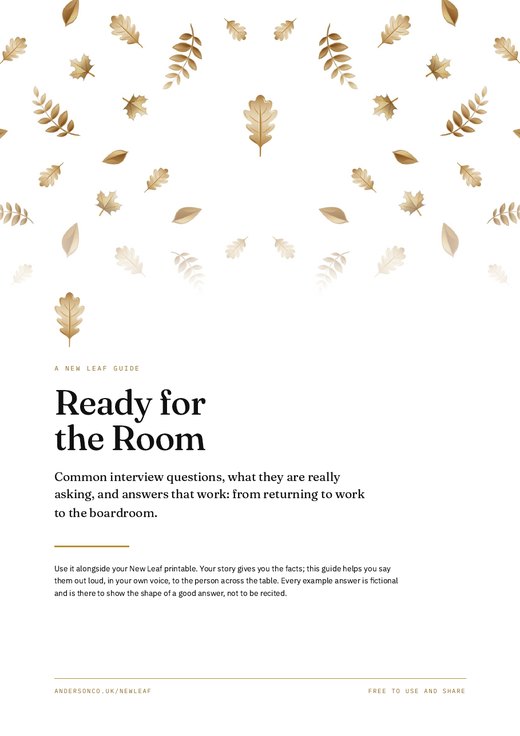 Free PDF
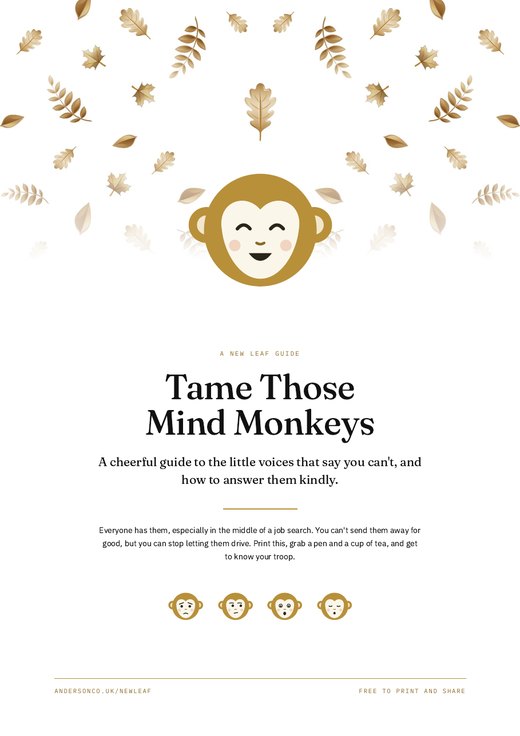 Free PDF
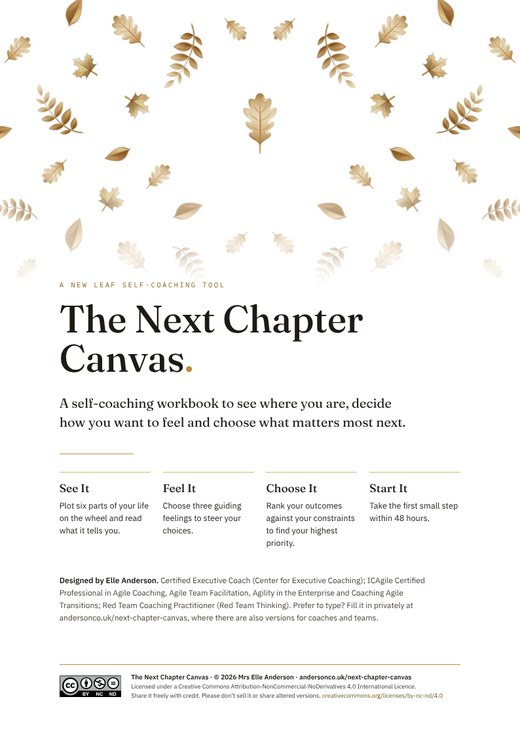 Free PDF
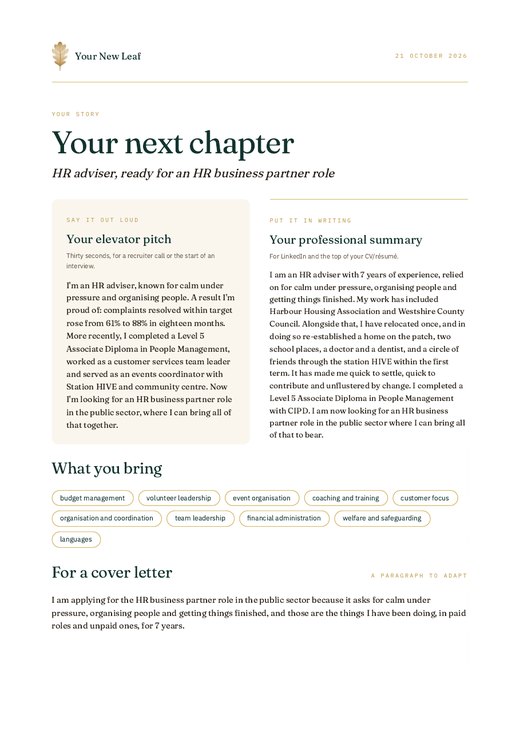 Example